Internal Fractures Threaten Cohesion
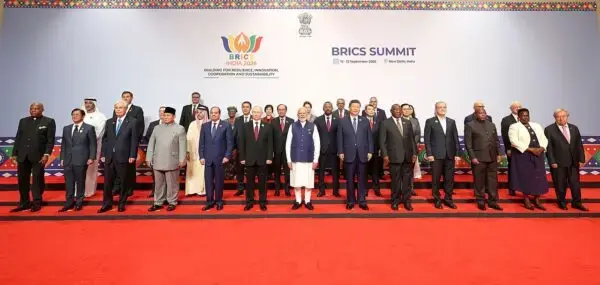
The BRICS bloc gathered in New Delhi for its 2026 summit, marking a pivotal moment for the emerging economic alliance. Leaders aimed to broaden the group’s global influence while navigating complex diplomatic landscapes. The meeting highlighted both the organization’s growing reach and its internal fractures. Participants sought to solidify their position against Western-led institutions. However, the event revealed significant gaps between stated goals and operational reality.
The summit focused on expanding membership and deepening financial ties among member states. Officials pushed for greater coordination in trade and investment sectors. This push reflects a desire to create alternative channels for global commerce. Yet, the lack of clear institutional frameworks remains a major hurdle. Members struggle to agree on unified policies due to differing national interests. The New Delhi gathering served as a test of the bloc’s resilience. It demonstrated that ambition alone cannot sustain a cohesive international body without structural support.
Can Structural Weaknesses Be Overcome?
Geopolitical tensions within the group have intensified during the 2026 cycle. Member nations often find themselves on opposing sides of global conflicts. These disagreements make consensus-building extremely difficult. The absence of strong institutional clarity exacerbates these problems. Without robust mechanisms for decision-making, the bloc risks becoming a loose coalition rather than a powerful entity. Leaders attempted to bridge these gaps through dialogue. They emphasized shared economic interests over political differences. Nevertheless, skepticism persists regarding the group’s ability to act as a unified force. Critics argue that the expansion has diluted the core identity of BRICS. The addition of new members has introduced fresh complexities into existing dynamics.
The future of BRICS hinges on its ability to address institutional shortcomings. Current structures are often seen as too weak to enforce collective decisions. Members must develop stronger tools for coordination and dispute resolution. The New Delhi summit provided a platform for these discussions. However, concrete outcomes remained limited. Observers note that the group needs clearer rules for engagement. Without these, the alliance may struggle to maintain momentum. The pressure to compete with established Western institutions is mounting. BRICS must prove it can deliver tangible benefits to its members. This requires moving beyond symbolic gestures toward substantive policy alignment. The coming months will test whether leaders can translate ambition into action.
The consequences of these challenges extend beyond the immediate summit. If BRICS fails to unify, its influence in global governance may wane. Conversely, successful reform could reshape international economic order. The group stands at a crossroads. Its ability to manage internal contradictions will define its trajectory. Stakeholders watch closely for signs of progress. The path forward requires patience and strategic compromise. BRICS must balance expansion with depth. Only then can it fulfill its promise as a counterweight to traditional powers. The 2026 summit was a step, but the journey remains long.
Frequently Asked Questions
Did the New Delhi summit result in new formal agreements? The summit produced statements of intent rather than binding legal treaties. Leaders agreed to explore deeper financial integration, but specific implementation timelines remain vague. No new permanent institutions were formally established during the event.
How do geopolitical divisions affect BRICS operations? Divisions cause delays in decision-making processes. When members hold conflicting views on global conflicts, they often stall on joint initiatives. This friction prevents the group from presenting a single, coherent voice on the world stage.