How Criminal Networks Exploit the Dairy Supply Chain
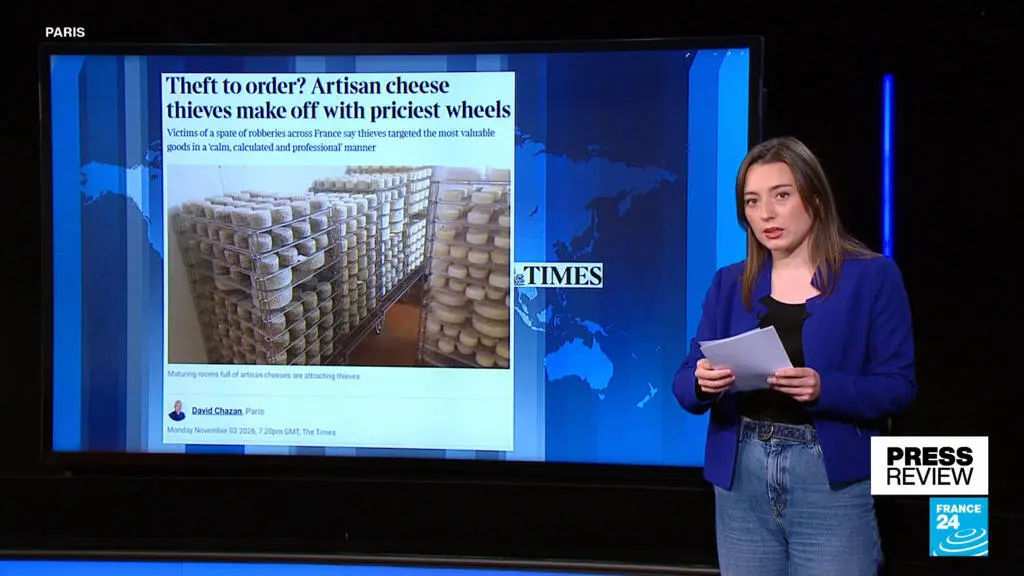
Polish police and European crime analysts report a sharp rise in high‑value cheese thefts, with gang members targeting premium dairy products from farms and warehouses. The trend, first noted in late October, has spread to several countries, prompting law‑enforcement cooperation and new investigations.
The thefts involve large quantities of artisanal cheeses, often worth hundreds of thousands of euros. Criminal groups use sophisticated smuggling routes, disguising stolen goods as legitimate shipments. Authorities say the motive is profit, as the global demand for luxury cheeses has outpaced supply, creating lucrative black‑market opportunities.
Investigators trace the operations to a network that coordinates between producers, distributors, and transporters. The gang infiltrates supply chains by bribing staff at dairy plants and using forged documents to move cheeses across borders. In one case, a Polish factory’s security footage revealed masked men loading crates into a van that later disappeared into a neighboring country’s customs checkpoint.
Why Cheese Theft Is Growing: Market Pressures and Weak Oversight
Experts note that the cheeses are often aged for months, making them difficult to trace once stolen. The thieves then sell the products through underground markets, where buyers are willing to pay premium prices. „The value of a single wheel of aged Gouda can exceed the cost of the entire operation,” said a senior crime analyst.
The surge coincides with a global shortage of dairy products, driven by climate change and rising production costs. Consumers are turning to high‑end cheeses, creating a price gap that organized crime is eager to fill. Meanwhile, regulatory oversight in many European countries is fragmented, with limited resources to monitor every dairy facility.
Polish officials have responded by tightening inspection protocols and sharing intelligence across borders. „We are now conducting joint raids with German and Czech police,” said a spokesperson from the national anti‑crime agency. „Our goal is to dismantle the supply chains before the stolen goods reach the market.”
Are Law‑Enforcement Agencies Ready to Counter the Threat?
The question remains whether current policing strategies can keep pace with the evolving tactics of these gangs. Some experts argue that technology, such as blockchain tracking of dairy products, could provide a deterrent. Others stress the need for international cooperation and stricter penalties for those involved in the smuggling ring.
Polish authorities have already issued warnings to dairy producers, urging them to implement stricter security measures and to report suspicious activity. The government plans to allocate additional funding for surveillance equipment and to train staff in recognizing signs of tampering.
The consequences of unchecked cheese theft are far‑reaching. Legitimate producers face losses, consumers risk exposure to counterfeit products, and the broader economy suffers from the erosion of trust in food safety standards. If the trend continues, it could prompt stricter EU regulations on dairy imports and exports, potentially affecting trade agreements.
Frequently Asked Questions
What types of cheeses are most targeted? Premium, aged cheeses such as Gouda, Parmigiano‑Reggiano, and Roquefort are most sought after due to their high resale value.
How are the stolen cheeses smuggled across borders? Criminals use forged shipping documents and disguise the goods as legitimate cargo, often exploiting gaps in customs inspections.
What steps are authorities taking to curb the thefts? Polish and European law‑enforcement agencies are enhancing inspections, sharing intelligence, and encouraging producers to adopt stricter security protocols.