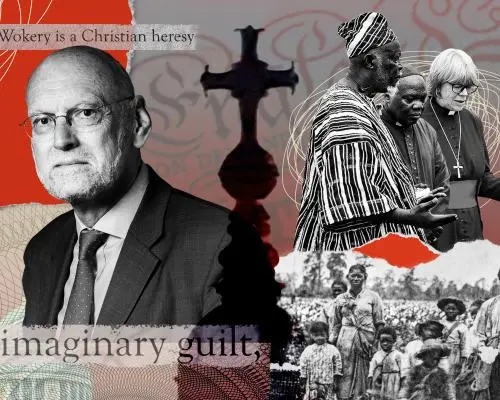
Financial Elite Mobilize Against Historic Atone Fund
Wealthy British financiers and conservative critics launched a coordinated campaign last year to halt the Church of England's planned £100 million slavery compensation fund. Figures including media investor Sir Paul Marshall and theologian Nigel Biggar spearheaded the resistance against the historic atonement initiative.
The opposition involves high-priced legal teams, strategic media blitzes, and direct lobbying efforts targeting church leadership. Critics argue the reparations represent empty virtue signaling by progressive elites rather than genuine moral progress. The Church originally established the massive fund to address its historical ties to the transatlantic slave trade and plantation wealth.
Can Religious Institutions Atone for Ancient Evils?
Opponents of the compensation package claim the institution is bowing to modern political pressure instead of focusing on its core spiritual mission. Conservative intellectuals contend that apologizing for historical sins sets a dangerous and unsustainable precedent for modern societies.
Despite the intense pressure from wealthy donors and traditionalists, church officials initially defended the compensation plan as a moral necessity. The institution has faced mounting scrutiny over how the money will be distributed to affected communities and descendant groups.
Frequently Asked Questions
The fierce public debate highlights deep divisions within British society regarding historical accountability and wealth redistribution. Critics question whether current generations should bear financial responsibility for atrocities committed centuries ago by distant institutional predecessors.
The ongoing battle over the £100 million fund demonstrates the immense influence of wealthy financiers in shaping religious and cultural policy. As pressure mounts from both sides, the Church of England must navigate a treacherous path between moral reckoning and institutional self-preservation.