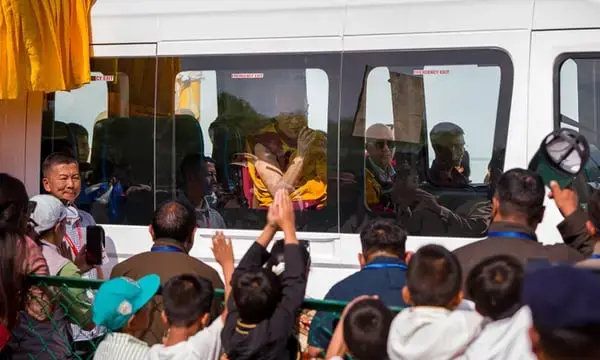
China's Influence in the Buddhist World
The Dalai Lama, the revered Tibetan spiritual leader, is over 90 years old, sparking a heated rivalry between India and China. The two nations are vying for influence over the Buddhist world as the Dalai Lama's age raises questions about his succession.
The Dalai Lama's advanced age has brought the longstanding rivalry between New Delhi and Beijing to a head. Both countries have significant Buddhist populations and are eager to assert their authority over the Buddhist world. India has traditionally been a haven for Tibetan Buddhists, with the Dalai Lama residing in Dharamshala since his exile in 1959.
China has been attempting to exert its influence over Tibetan Buddhism, with the Chinese government appointing its own Panchen Lama, a rival to the Dalai Lama's choice. This move has been seen as an attempt to undermine the Dalai Lama's authority and create a more China-friendly Buddhist leadership.
Can China Succeed in Replacing the Dalai Lama?
The Dalai Lama has hinted that his reincarnation may not occur in China or India, but rather in a free country, potentially undermining China's efforts to control his succession. The Tibetan people have a deep affection for the Dalai Lama, and his legacy is likely to endure even after his passing.
The outcome of this rivalry will have significant consequences for the future of Buddhism, with implications for the region's politics and cultural identity. As the Dalai Lama's age advances, the world watches with bated breath to see how this complex situation will unfold.
Frequently Asked Questions
What is at stake in the India-China rivalry over Buddhism? The two countries are competing for influence over the Buddhist world and the succession of the Dalai Lama. This has significant implications for the region's politics and cultural identity.
Who will succeed the Dalai Lama? The Dalai Lama has hinted that his reincarnation may occur in a free country, potentially outside of China or India. The Tibetan people will likely play a significant role in determining his successor.
What are China's motivations in the rivalry? China is seeking to exert its influence over Tibetan Buddhism and create a more China-friendly Buddhist leadership. This is part of a broader effort to assert its authority over the region.