How Gold Fuels the Sudan Conflict
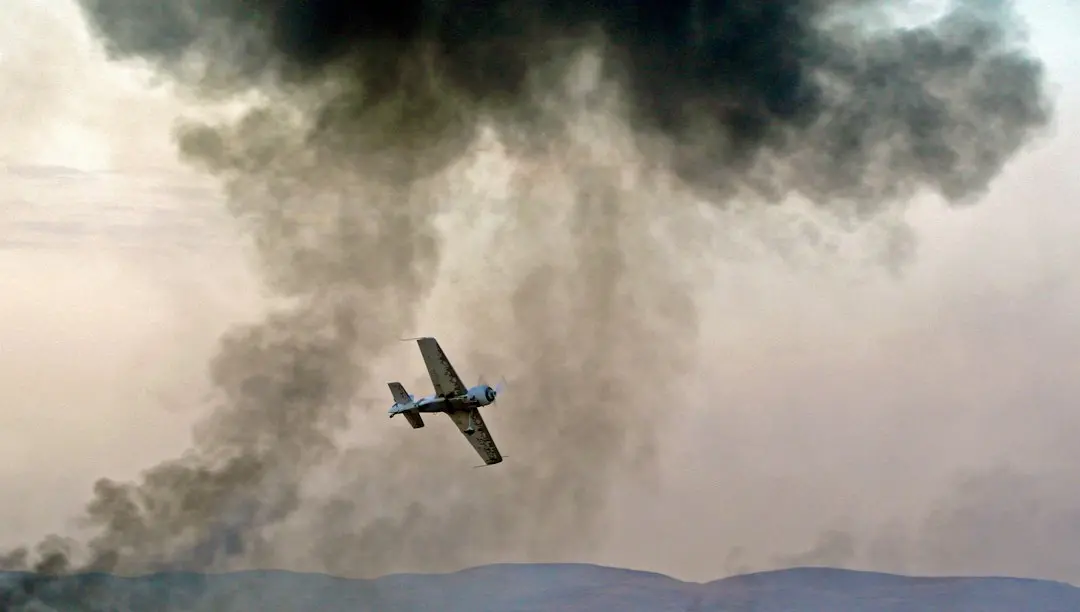
In late October, repeated aerial attacks struck informal gold mining sites in Sudan’s North Darfur region, killing dozens of civilian workers and highlighting the growing insecurity along the Egypt-Sudan frontier. The strikes occurred amid escalating violence between Sudan’s armed forces and the Rapid Support Forces, which has destabilized border areas and disrupted livelihoods for thousands of artisanal miners. Witnesses reported explosions near the Jebel Amer mining zone, a known hub for gold extraction that has long operated outside formal regulatory control. Local sources said the attacks hit makeshift camps where families lived and worked, with no prior warning given to those on the ground. The violence has intensified as rival factions vie for control of resource-rich territories, turning civilian mining areas into de facto conflict zones.
Artisanal gold mining has become a critical revenue stream for both warring parties in Sudan, with estimates suggesting militants and armed groups earn hundreds of millions of dollars annually from illicit mineral trade. The Jebel Amer area, located near the Libyan and Chadian borders, has been a focal point of contention due to its high-yield deposits, attracting foreign interest and local militias alike. Despite international calls for restraint, monitoring mechanisms remain weak along the porous borders, allowing armed actors to exploit mining sites with little oversight. Human rights groups have documented cases where miners were forcibly displaced, taxed at gunpoint, or caught in crossfire between competing factions seeking to control supply chains. The lack of state authority in these remote regions has enabled a war economy where gold profits directly fund prolonged violence.
Can Border Cooperation Prevent Further Attacks?
Egypt and Sudan have previously engaged in joint security patrols along their shared border, particularly to curb smuggling and unauthorized migration, but cooperation has faltered amid Sudan’s internal collapse. Recent diplomatic overtures from Cairo have emphasized the need for coordinated monitoring of cross-border movements, especially near mineral-rich zones, yet no concrete mechanisms have been activated to protect civilian miners. Analysts warn that without a binding agreement to demilitarize mining areas and establish humanitarian corridors, air strikes and ground assaults on informal sites will likely continue. The United Nations has urged both governments to investigate the attacks and consider establishing temporary protection zones for civilians engaged in subsistence mining, though enforcement remains a major challenge amid ongoing hostilities.
Who carried out the air strikes on the gold mines? While no group has officially claimed responsibility, local reports and conflict analysts attribute the strikes to Sudanese government forces or allied militias targeting areas suspected of harboring Rapid Support Forces fighters, though civilians were the primary victims.
Frequently Asked Questions
Why are artisanal miners targeted in Sudan’s conflict? Miners are not typically the direct target, but their operations occur in contested zones where both sides seek to control gold revenues; attacks often result from indiscriminate bombing or efforts to disrupt enemy financing through resource denial.
What is the scale of gold mining in Sudan’s informal sector? Sudan’s artisanal and small-scale gold mining employs over a million people and contributes significantly to the national economy, though much of the output is smuggled and unregulated, making it vulnerable to exploitation during conflict.