A Wound That Refuses to Heal: Decades-Old Standoff Returns
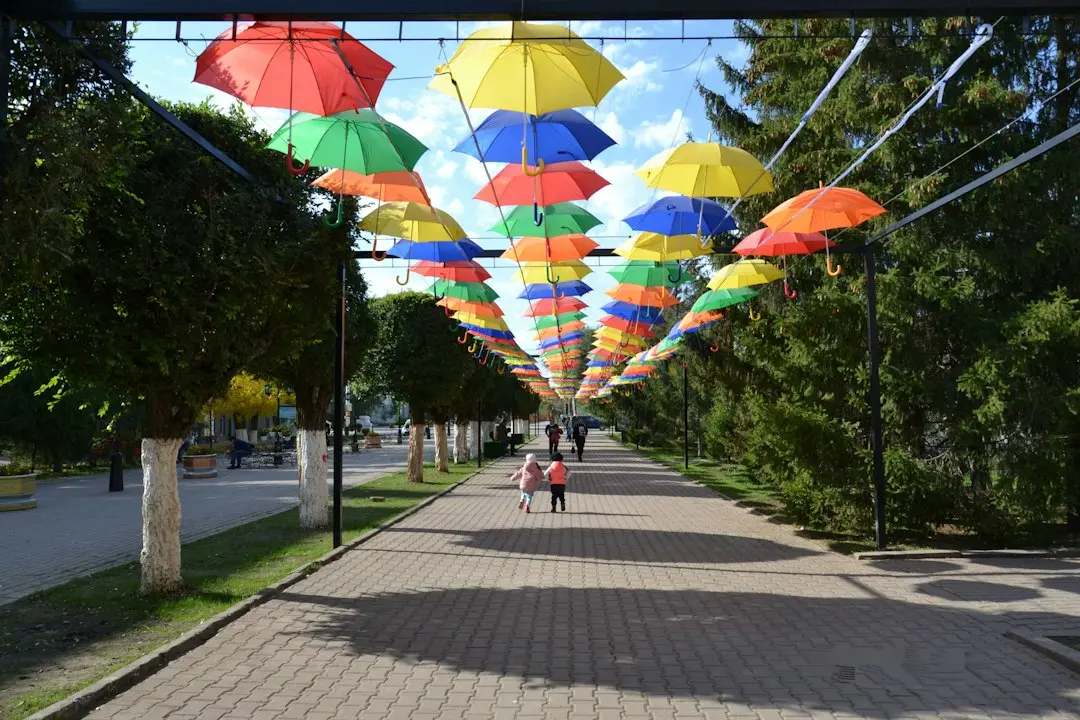
Residents along the Garvaghy Road in Portadown worry that the dark shadow of historical confrontation is now reaching their children. Ciarán Ó Ferghail and his son were captured in a poignant photograph on October 1, 2026, symbolizing this deep generational anxiety. Caolán Magee reported this local edition story on October 3, 2026.
For Chris Nelson, the summer holidays offered no relaxation, bringing instead constant terror regarding his mother’s safety. At night, the young boy stayed awake in bed, waiting with a mix of dread and fear for her return. During the day, he repeatedly called relatives to ensure she was safe. The situation grew increasingly volatile due to threatening letters slipped beneath their front door. „I was afraid to leave the house,” Chris told Al Jazeera, recalling the intense pressure of that era.
His mother, solicitor Rosemary Nelson, represented Catholic residents opposing the Protestant Orange Order marches along the Garvaghy Road in Portadown during the late 1990s. Every July, as the marching season approached, a severe stalemate erupted. Orange Order members sought to return from Drumcree church via what they deemed their traditional route, while Catholic residents strongly resisted the procession of an organization they viewed as hostile through their majority-Catholic street. In some years, police forced the march through, while in others, the procession was halted entirely.
Rosemary spent her summer evenings alongside families on the Garvaghy Road. Before leaving each night, she told her son she needed to support local families and check on their children. She often compared those children to his own primary school friends. „She was a firm believer in helping the vulnerable,” remembered Chris, now 39 years old. „She did a lot of unpaid work.” His mother provided assistance to individuals from both communities. When their schedule allowed, the family retreated to Bundoran across the border, where fear seemed to vanish for a single day.
His mother, solicitor Rosemary Nelson, represented Catholic
However, during a standoff in 1997, state police forces from the Royal Ulster Constabulary (RUC) used bayonets to clear Catholic locals from the road. „She was beaten by police,” Chris recalled. „She was spat on in the face,” leaving her bruised and bleeding. „It was highly traumatizing. I always thought something would happen to my mother.”
On a Monday in March 1999, almost a year after the Good Friday Agreement ended the conflict, Rosemary drove away from her Lurgan home. As she braked at a nearby intersection, a bomb planted beneath her vehicle detonated. Her eight-year-old daughter, Sarah, sat in a nearby primary school and heard the blast. The family had spent the previous weekend together in Bundoran. Chris, then 11 years old, and his older brother were away on a school ski trip when they received the devastating phone call. „It was tough,” he said, his voice trailing off.
The legacy of that loss continues to linger. Nearly three decades later, another standoff has turned childhood memories into fears for the next generation. The Orange Order made a fresh attempt to march through the Catholic neighborhood, threatening to destabilize a fragile peace. The period known as the Troubles began in the late 1960s, when Catholic civil rights protests against discrimination met severe repression and violence. Republican paramilitaries fought for a united Ireland, while loyalists and the army tried to maintain British rule, resulting in a conflict that claimed over 3,500 lives.
The 1998 Good Friday Agreement established a framework for peace and power-sharing. Under this pact, Portadown residents lived in relative tranquility for 28 years. Yet this stability was abruptly shattered by a last-minute High Court decision permitting the march to proceed. In response, Catholic residents blocked the street, reactivating a conflict that once seemed buried, now brought back into the public eye through social media.