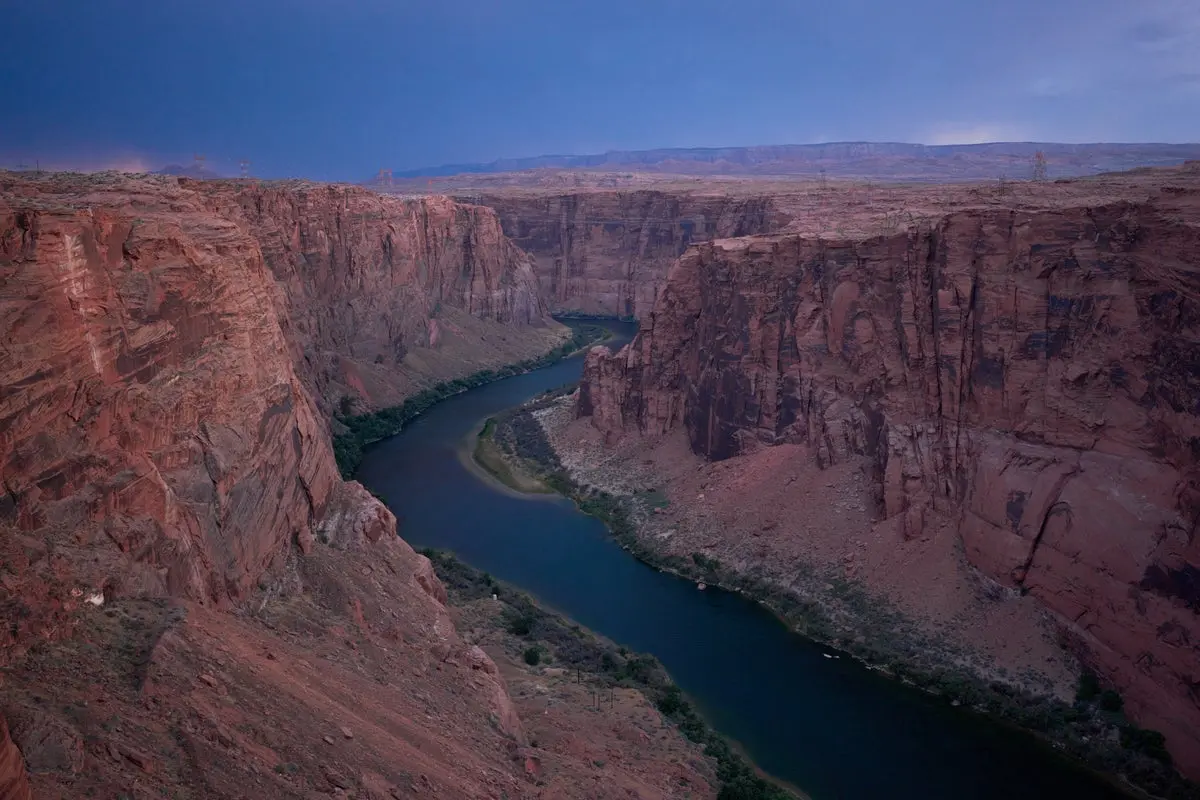
Reservoirs Near Critical Lows as Water Cuts Take Effect
The Colorado River, one of North America's most vital water sources, has reached critically low levels, raising alarm among the millions of people and vast agricultural regions that depend on it. The ongoing severe drought, now stretching into its third year, has left reservoir levels at historic lows and sparked urgent discussions about water allocation and long-term sustainability. Communities across seven U. S. states and parts of Mexico are bracing for potential restrictions as water supplies dwindle.
The river's two largest reservoirs, Lake Mead and Lake Powell, have fallen to less than 30% of their capacity, according to recent federal data. This dramatic drop has triggered emergency measures, including reduced water deliveries to farmers and municipalities. Scientists attribute the crisis to a combination of prolonged drought conditions, increased temperatures linked to climate change, and years of overallocation that have drained the river faster than it can replenish.
Federal water managers have already announced significant reductions in water releases downstream, with some regions facing up to a 25% cut from their usual allocations. In Nevada, Arizona, and California, cities are implementing conservation mandates, urging residents to reduce water usage by as much as 15%. Agricultural districts, which account for roughly 70% of the river's use, are among the hardest hit, with some farmers fallowing fields entirely.
„The situation is dire,”said Maria Santos, a spokesperson for the Colorado River Water Conservation District. „We're seeing the effects of years of mismanagement compounded by nature's unpredictability. Without immediate action, entire communities could face water shortages within months.” Can the River Recover Before It's Too Late?
Frequently Asked Questions
Experts warn that without substantial policy changes and sustained conservation efforts, the Colorado River may never return to its former flow levels. The U. S. Bureau of Reclamation is expected to release new long-term plans this fall, which could include stricter caps on water usage and incentives for water-saving technologies. Meanwhile, negotiations continue between state governments and tribal nations over how to equitably share the shrinking resource.
The outlook remains grim unless weather patterns shift dramatically or major infrastructure projects come online to supplement supply. For now, communities are preparing for an uncertain future where every drop counts.
How low are the Colorado River reservoirs? Lake Mead and Lake Powell are both below 30% capacity, marking some of the lowest levels since the dams were built in the mid-20th century.
Which states are affected by water cuts? Arizona, California, Nevada, Colorado, Utah, Wyoming, and New Mexico all rely on the Colorado River and are subject to federally mandated reductions.
What can residents do to help? Local authorities recommend reducing outdoor watering, fixing leaks promptly, and using drought-resistant landscaping to minimize household water consumption.