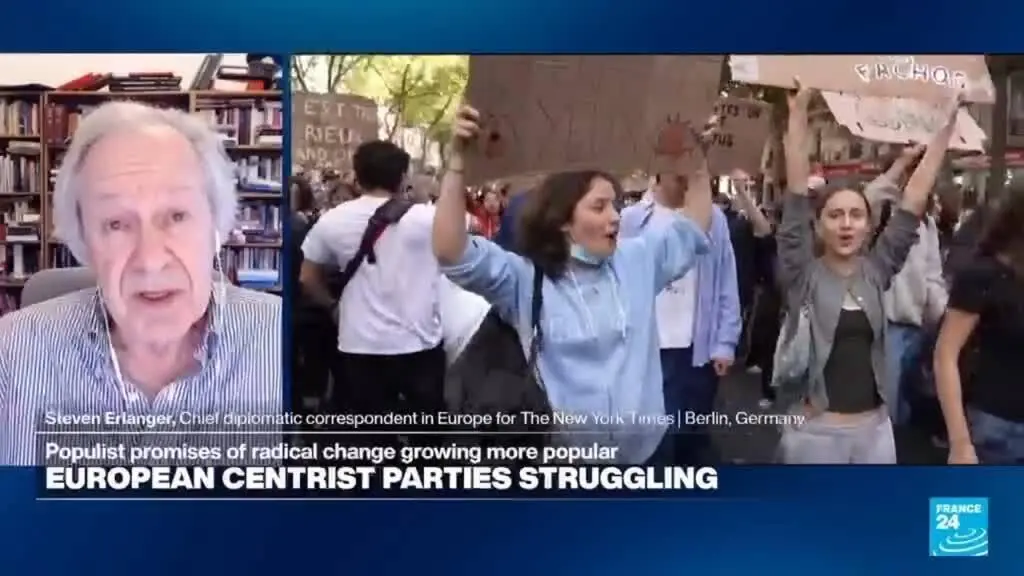
The Broken Promises of Prosperity
Across the European continent, widespread public anger is boiling over as citizens realize that long-standing promises of prosperity and steady financial growth have utterly failed to materialize in their daily lives.
The diplomatic landscape in Europe is shifting rapidly as communities grapple with stagnant wages, rising living costs, and a profound sense of abandonment by traditional political leadership. For years, leaders assured populations that aggressive economic restructuring and integration would yield universal benefits. Instead, wealth disparities have widened significantly. Ordinary workers feel left behind by a system that rewards corporate entities while eroding the purchasing power of households.
Can Traditional Politics Survive the Backlash?
Financial stagnation has become the defining characteristic of modern European society, fueling intense frustration among the working class. Citizens across multiple nations watched their purchasing power shrink while politicians continued to praise aggregate GDP metrics that bore no resemblance to ground-level realities.
Analysts point out that the gap between official economic forecasts and household experiences has permanently damaged public trust in governing institutions. When growth fails to touch the lives of everyday citizens, populist movements inevitably gain traction by channeling this raw dissatisfaction into political action.
Governments now face the urgent challenge of restoring faith in democratic systems before civic unrest destabilizes entire regions. Without immediate structural reforms addressing cost-of-living crises, mainstream parties risk losing complete control of the legislative agenda.
Frequently Asked Questions
What is the main driver of public dissatisfaction in Europe? Citizens are frustrated because politicians failed to deliver on long-standing promises of steady economic growth and improved living standards.
How has this discontent affected the political climate? Stagnant wages and widened wealth gaps have driven voters away from traditional parties and toward populist movements.