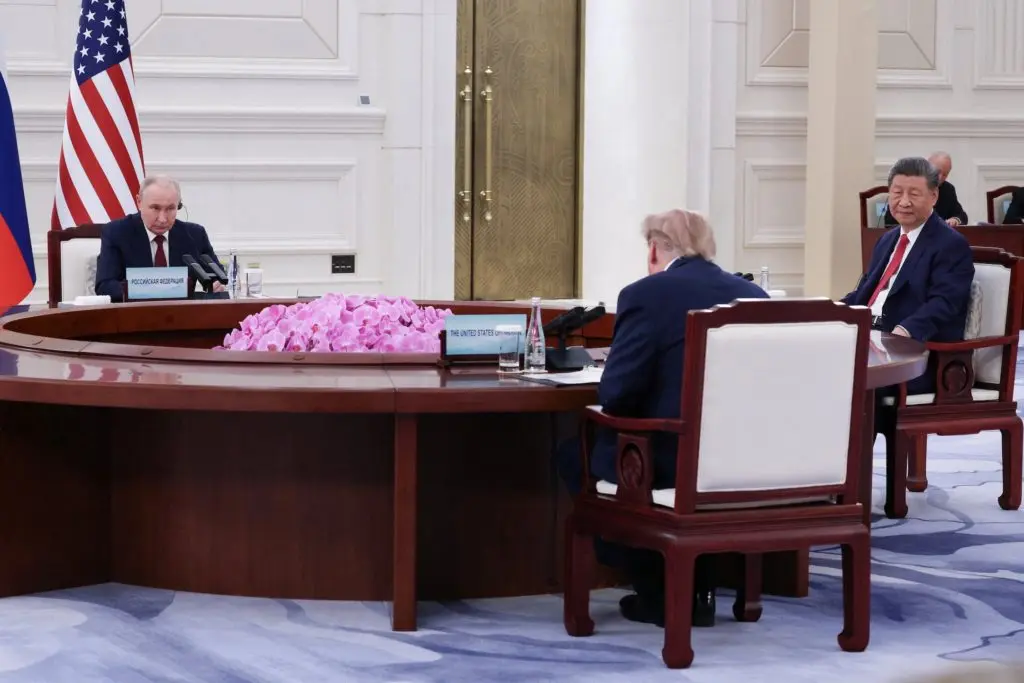
Strategic Omissions Define the New Diplomatic Landscape
The high-level meeting between Donald Trump, Xi Jinping, and Vladimir Putin concluded in China, drawing intense scrutiny from international observers. Analysts are now dissecting the official outcomes against the complex geopolitical realities on the ground. The summit aimed to reset relations among the three major powers. However, many critical issues remained unresolved or entirely unaddressed during the discussions.
Dennis Wilder and Fred Fleitz provided detailed assessments of the event’s legacy. Both experts noted that while face-to-face contact was established, substantive progress was limited. The conversation focused heavily on what was omitted from the final statements. These omissions reveal the underlying tensions that persist despite the formal handshake diplomacy.
The absence of specific language regarding trade tariffs and military posturing signaled a cautious approach. Leaders avoided committing to binding agreements that might constrain future policy flexibility. Instead, they prioritized maintaining open communication channels over immediate resolution of disputes. This strategy allows each nation to manage domestic political pressures without conceding significant ground.
Does Silence on Security Issues Signal Stalemate?
Wilder emphasized that the meeting served more as a confidence-building exercise than a decisive turning point. Fleitz argued that the lack of joint declarations on key economic indicators reflects mutual distrust. The leaders understood that public commitments could be used against them later. Consequently, they kept the tone measured and deliberately vague in several critical areas.
A notable gap in the discussions involved security guarantees for regional allies. Neither side offered concrete timelines for reducing military deployments or adjusting defense budgets. This silence raises questions about whether the trilateral framework can withstand external shocks. Observers worry that without clear security protocols, the diplomatic gains may prove fragile.
Fleitz pointed out that energy cooperation was mentioned but lacked implementation details. The deal structures remain under negotiation, leaving markets uncertain about supply stability. Wilder added that the focus on bilateral relationships overshadowed broader multilateral concerns. This narrow scope limits the summit’s ability to address global challenges comprehensively.
Frequently Asked Questions
The outcome suggests a period of managed ambiguity rather than definitive alignment. Nations will likely continue testing boundaries through smaller working groups. The next steps depend on how quickly follow-up mechanisms can be operationalized. If delays persist, the momentum generated in China could dissipate rapidly. Analysts predict that the coming months will determine if this summit marks a genuine shift or merely a temporary pause in ongoing strategic competition.
Did the summit produce any binding agreements? No, the leaders agreed to maintain dialogue but avoided binding commitments. Most outcomes were aspirational rather than enforceable legal obligations.
Which topics were most notably ignored? Specific trade tariff reductions and detailed military deployment schedules were largely skipped. These areas remained subject to separate bilateral negotiations.