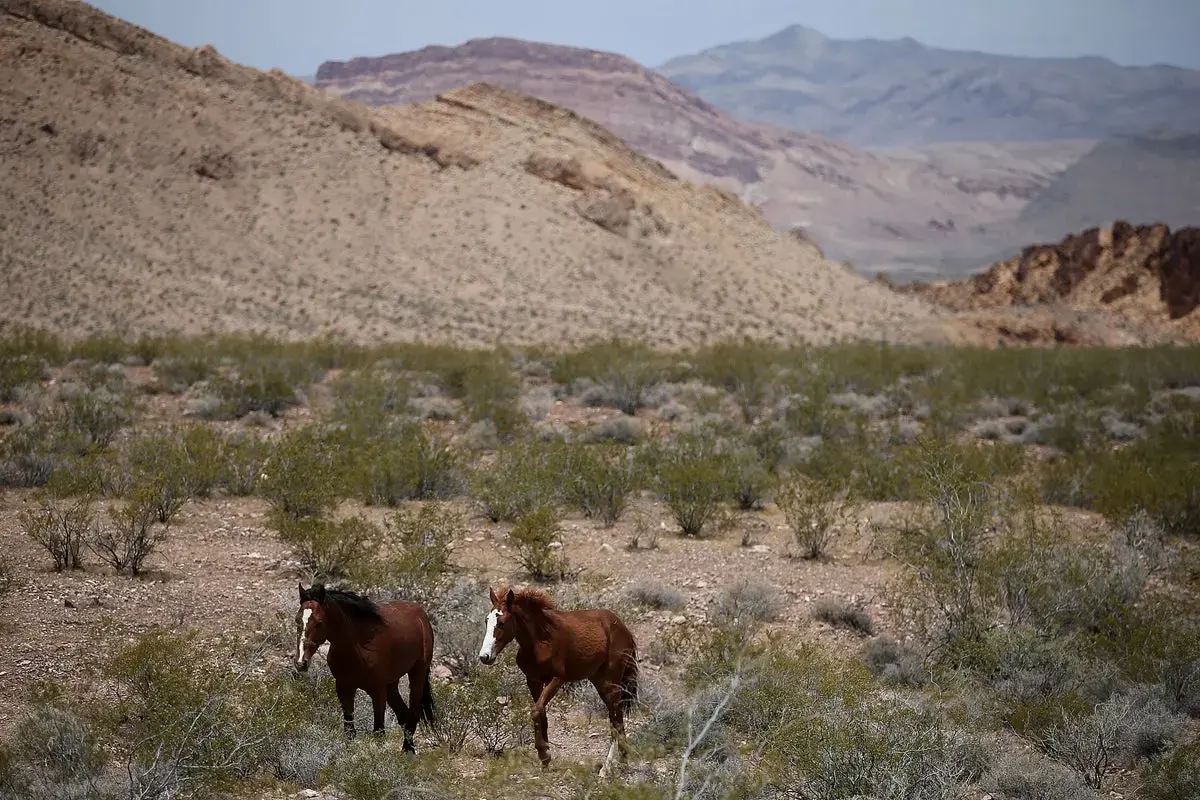
The Crisis Facing Nevada Herds
US authorities announced a significant $30 million federal investment this week to manage wild horse populations through fertility control across western states, aiming to protect fragile ecosystems.
The emergency funding addresses severe overpopulation issues among herds in Nevada. These animals face extreme pressure as prolonged drought conditions drastically reduce the availability of essential food and water resources across the region.
Wild horses in Nevada have endured severe habitat strain while competing fiercely for dwindling natural resources. Dry weather patterns worsened conditions on the range, leaving herds vulnerable to starvation and dehydration.
Can Contraception Save the Open Range?
Federal agencies hope that targeted birth control measures will gradually stabilize population numbers. This humane approach aims to reduce the long-term strain on public lands without relying entirely on traditional roundups and holding facilities.
Wildlife advocates and land managers view fertility treatments as a sustainable alternative for herd management. The $30 million initiative will implement widespread treatments directly in the field, minimizing stress on the animals.
Frequently Asked Questions
Balancing herd sizes with environmental capacity remains a complex challenge for federal conservationists. Without active population management, Nevada's wild horses and native wildlife will continue to suffer during recurring weather extremes.
What is the purpose of the new federal funding? The $30 million budget is specifically allocated for fertility control programs to manage wild horse populations in the western United States.
Why are Nevada horses struggling for resources? Severe drought conditions have severely limited food and water availability, while overpopulation has intensified competition for these scarce resources.