Acknowledging the Past: The Call for Reparations
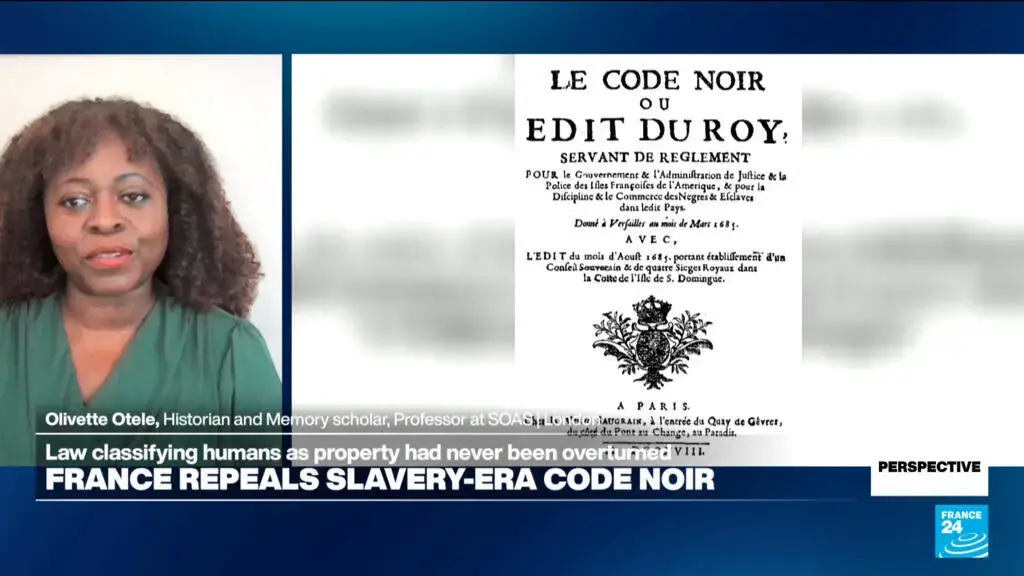
France has officially repealed the Code Noir, a historical law that enforced slavery in its colonies. This decision marks a significant moment in the country’s reckoning with its colonial past. Historians and activists see this as an opportunity to discuss reparations for the descendants of enslaved individuals.
The Code Noir was established in 1685 and governed the lives of enslaved people in French colonies. It outlined harsh regulations, stripping enslaved individuals of their rights and subjecting them to brutal treatment. The repeal comes after years of advocacy and growing acknowledgment of the injustices faced by enslaved people and their descendants. Many believe this move is essential for France to confront its colonial legacy.
Historians argue that the repeal of the Code Noir opens the door to meaningful conversations about reparations. „Now we can start talking about reparations,”said a prominent historian. This sentiment is echoed by many who feel that acknowledging past wrongs is vital for healing and justice.
What Will Be the Impact of This Repeal?
The call for reparations is not new, but the repeal gives it renewed urgency. Activists are urging the French government to take concrete steps towards addressing the economic and social disparities that still affect descendants of enslaved people today. They argue that reparations could help rectify historical injustices and promote equality.
The repeal of the Code Noir is a significant symbolic act, but what practical changes will follow? Experts suggest that it could lead to policy reforms, educational initiatives, and public acknowledgments of France's colonial history. This could foster a deeper understanding of the impacts of slavery on contemporary society.
While the repeal is a positive step, many are cautious about the pace of change. The conversation around reparations is complex and fraught with challenges. However, the repeal signals a willingness to engage with these difficult issues.
The implications of this decision are profound. It not only acknowledges the suffering of those enslaved but also paves the way for reparative justice. As France grapples with its colonial past, the focus will likely shift towards creating a more equitable society for all its citizens.
Frequently Asked Questions
What was the Code Noir? The Code Noir was a set of laws established in 1685 that regulated slavery in French colonies, enforcing brutal conditions for enslaved people.
Why is the repeal significant? The repeal is significant as it marks France's acknowledgment of its colonial past and opens discussions about reparations for descendants of enslaved individuals.
What are the next steps for France? Next steps may include policy reforms, educational programs, and further discussions on reparations to address historical injustices and promote equality.