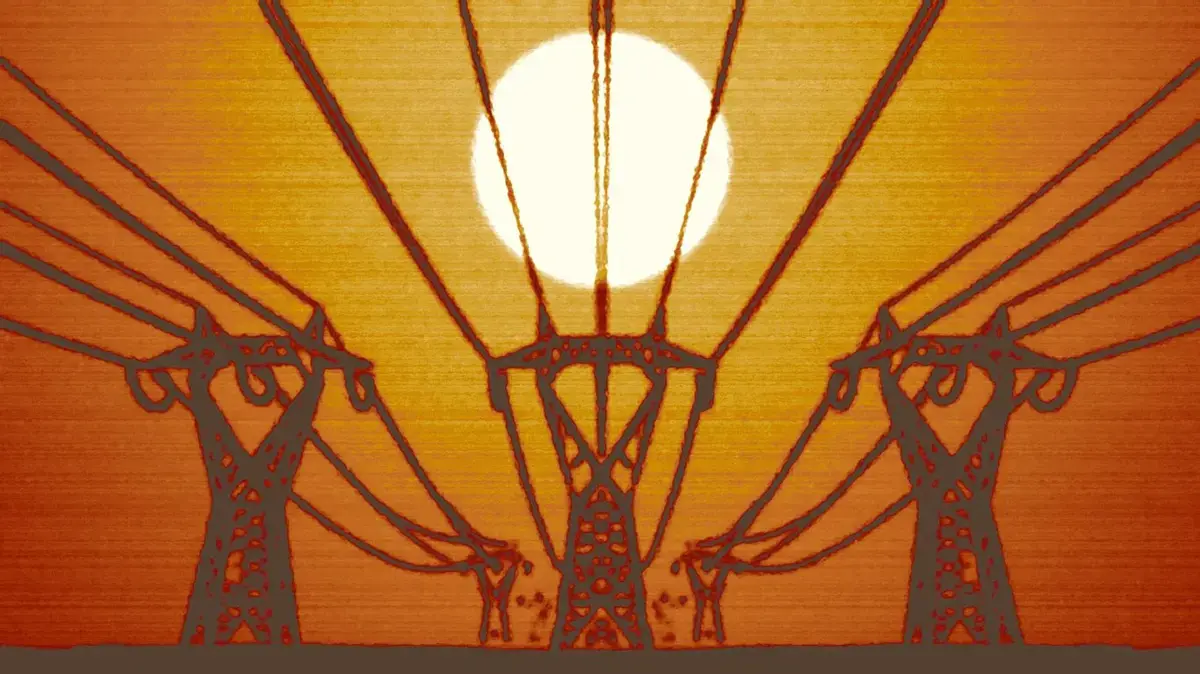
Utilities scramble to reinforce aging infrastructure
The nation faces a string of severe summer heat waves, with one wave prompting an emergency federal order across 17 states. Utilities are battling soaring demand as temperatures climb, testing the resilience of an aging electric grid under unprecedented stress.
Prolonged heat drives record‑breaking electricity consumption for cooling, straining generation and transmission assets. Operators report spikes in load that exceed design expectations, while aging infrastructure struggles to keep pace. The federal emergency underscores the urgency of adapting the grid for longer, more frequent periods of extreme weather.
Power companies are accelerating upgrades to mitigate the current crisis. Many are deploying mobile generators and temporary substations to relieve overloaded circuits. Grid operators are also rerouting power from less affected regions, a practice known as „load shedding,” to balance supply and demand. Some utilities have begun testing advanced forecasting tools that predict heat‑induced demand surges days in advance, allowing pre‑emptive measures.
Can the grid survive a hotter future?
Industry leaders cite the need for modernizing transmission lines and integrating renewable sources with storage capacity. „We cannot rely on legacy systems alone,” said a senior engineer at a major utility. Investments in high‑temperature‑tolerant conductors and automated switching are gaining momentum. The federal order has also prompted collaboration between state regulators and the Department of Energy to fast‑track critical projects.
Experts warn that climate‑driven heat waves will become the new normal, demanding a fundamentally different approach to grid design. Researchers highlight that each degree rise in average temperature translates to a 2‑3 percent increase in electricity use for cooling. Without substantial upgrades, the risk of widespread outages grows.
Policy analysts argue that federal incentives must target both infrastructure hardening and demand‑side solutions, such as incentivizing energy‑efficient appliances and encouraging residential solar adoption. Meanwhile, utilities are exploring demand‑response programs that temporarily reduce consumption during peak periods, offering customers financial incentives for participation.
The ongoing heat emergencies expose a critical inflection point for America’s power system. Immediate actions may avert short‑term blackouts, but long‑term resilience hinges on coordinated investment, regulatory reform, and innovative technology. The coming summers will test whether the grid can evolve fast enough to keep lights on for millions.
Frequently Asked Questions
Why did the federal government issue an emergency order for 17 states? The order was triggered by unprecedented electricity demand that threatened to overload the grid, prompting authorities to intervene and coordinate resources to prevent outages.
What short‑term measures are utilities using to cope with the heat waves? Utilities are deploying mobile generators, temporary substations, and implementing load‑shedding strategies while rerouting power from less stressed regions.
How can consumers help reduce strain on the grid during extreme heat? Consumers can lower thermostat settings, use energy‑efficient fans, shift appliance use to off‑peak hours, and enroll in demand‑response programs that reward reduced consumption.