The Overlooked Lifesaving Drill for Every Student
Two Michigan high school students saved their physical education teacher’s life in 2024 after he suffered a sudden cardiac arrest while sitting in the bleachers during a charity basketball game.
The dramatic rescue occurred right in the middle of a packed school gymnasium during a student-teacher matchup. Thanks to their prior emergency preparation, the quick-thinking teenagers immediately stepped forward to perform chest compressions. Their rapid response kept the educator alive until medical professionals arrived with an automated external defibrillator.
Can Simple Chest Compressions Bridge the Survival Gap?
Schools routinely mandate regular fire drills and lockdown practices to prepare youth for rare disasters. Yet, cardiac arrest strikes thousands of individuals annually, often in public spaces like school gymnasiums and hallways. Cardiac emergencies demand immediate physical intervention from bystanders long before ambulance crews can navigate traffic and reach the scene.
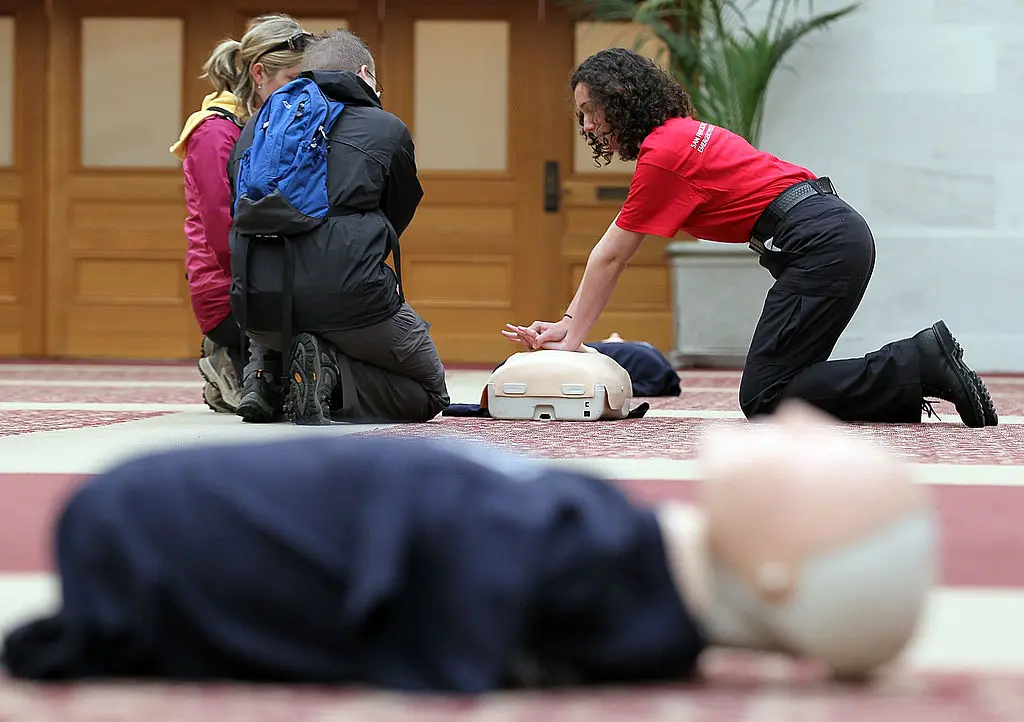
Volunteers and health organizations frequently demonstrate chest compression techniques on plastic mannequins to demystify the emergency procedure. Teaching these basic skills to teenagers transforms ordinary classrooms into hubs of public safety. Young people spend a significant portion of their formative years inside school buildings where medical crises can unfold without warning.
Frequently Asked Questions
When a human heart stops beating effectively, every single passing second reduces the victim's chance of full neurological recovery. Immediate physical intervention maintains vital blood flow to the brain and other essential organs until advanced medical care begins. Expanding mandatory emergency response curricula ensures that future generations possess the confidence to act during critical moments.
Integrating mandatory resuscitation instruction into standard physical education syllabi equips adolescents with tools that extend far beyond graduation day. Communities benefit immensely when schools prioritize practical emergency training alongside traditional academic subjects. Preparing teenagers to handle life-or-death scenarios creates a safer society for everyone.