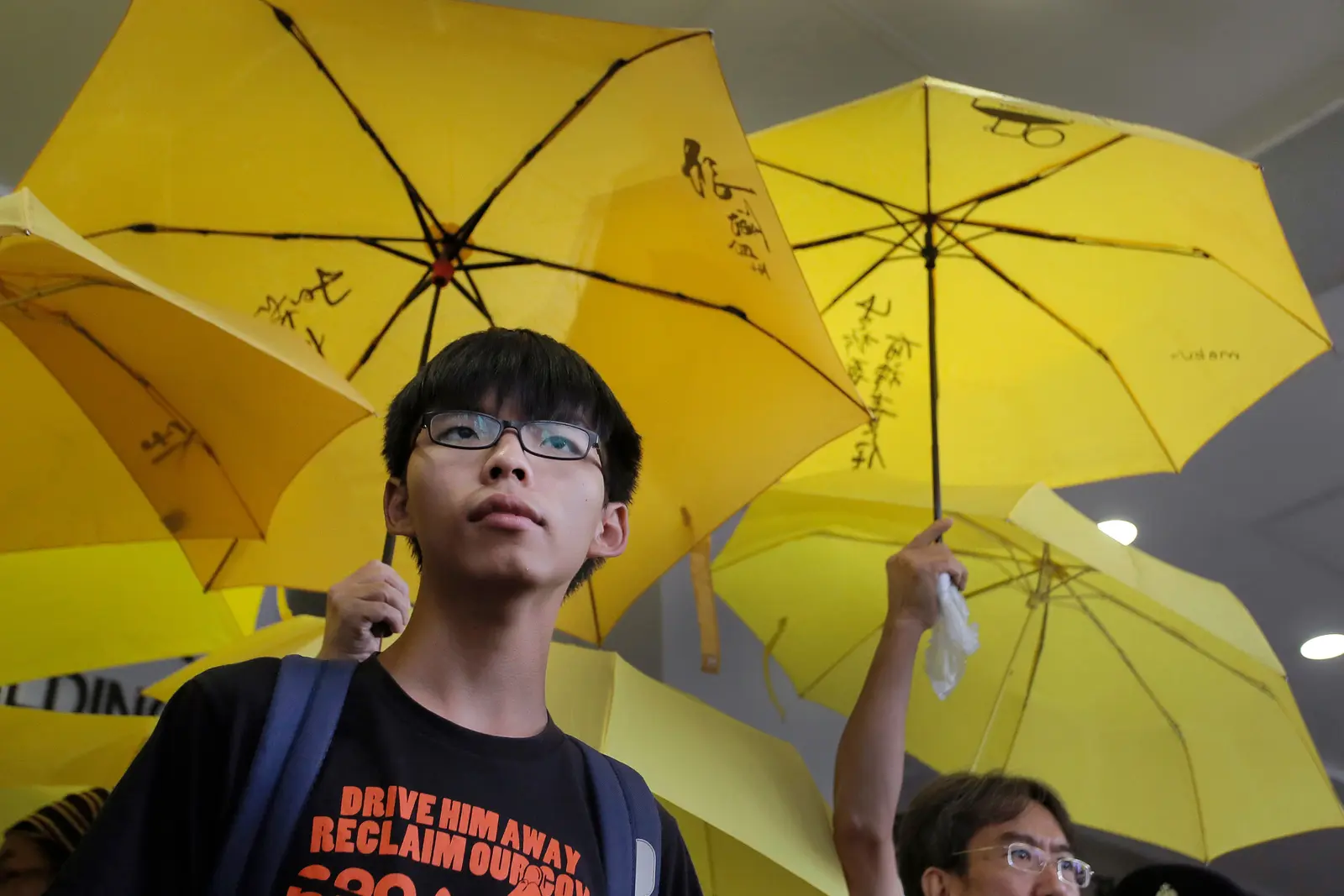
A Second Strike Under Beijing's Law
Prominent Hong Kong activist Joshua Wong received a ten-year prison sentence on Thursday. The verdict marks his second conviction under the national security law imposed by Beijing. The ruling underscores the ongoing crackdown on the city's pro-democracy movement.
Wong faces a new term after serving time for his first conviction. Prosecutors argued that his continued activism demonstrated a pattern of defiance against state authority. The court found him guilty of colluding with foreign forces to endanger national security.
The national security law grants authorities broad powers to prosecute dissent. Critics argue the law has become a tool to silence opposition voices. Wong's case highlights how the statute targets long-standing activists.
What Does This Mean for Hong Kong's Activists?
The sentence reflects a pattern seen in other high-profile trials. Defendants often receive lengthy terms for charges like colluding with foreign forces. Legal experts note that the law's vague definitions allow for expansive interpretations.
The verdict sends a clear message to remaining activists. Many have gone into hiding or fled abroad. The fear of prosecution has significantly reduced public demonstrations.
Observers expect the ruling to influence future prosecutions. Authorities may use this case as a precedent for similar charges. The outcome reinforces the chilling effect on civic participation in the city.
Frequently Asked Questions
How many years was Joshua Wong sentenced to? Joshua Wong was sentenced to ten years in prison. This is his second conviction under the national security law.
What crime was he convicted of? He was convicted of colluding with foreign forces to endanger national security. This charge is a core provision of the law.
When was the sentence handed down? The sentence was handed down on Thursday. The trial concluded after a lengthy legal process.