Technical Failures and Security Pressures
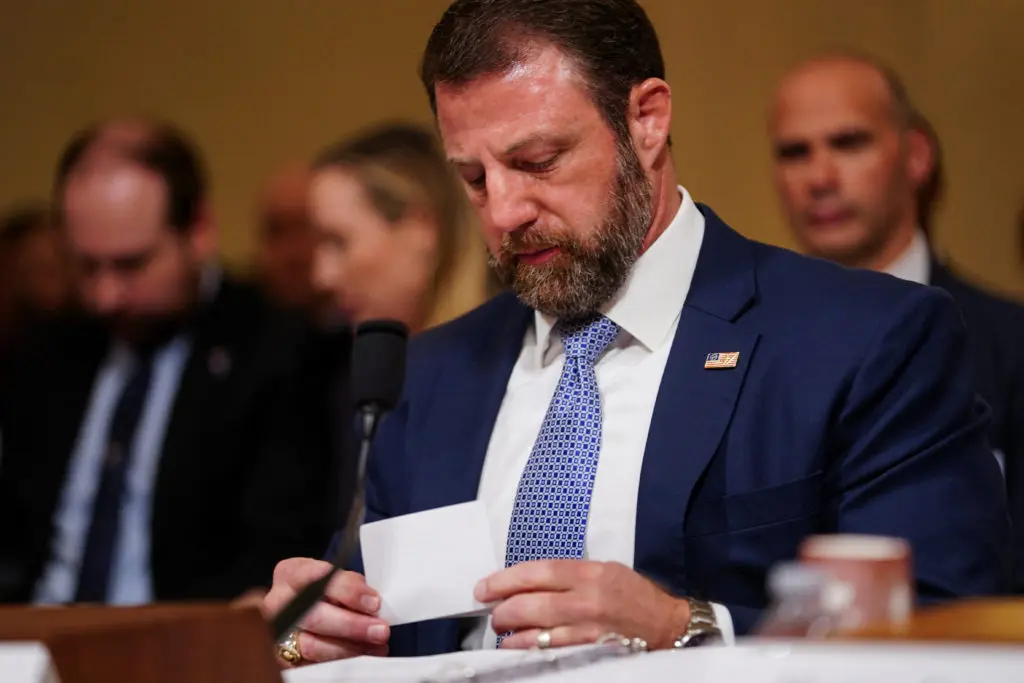
A House committee convened in Washington on November 19, 2026, to scrutinize recent Federal Aviation Administration disruptions. Lawmakers reviewed a chaotic week marked by widespread flight delays and critical website failures. The session also addressed the looming threat of potential dirty bomb incidents. This fact-checking review evaluates the statements made during the public hearing.
The hearing focused on operational breakdowns within the FAA’s digital infrastructure. Officials explained how server outages contributed to significant scheduling chaos across major airports. The timing of these technical failures coincided with heightened security concerns regarding radioactive devices. Committee members pressed witnesses for clarity on response protocols. They sought to understand why communication gaps persisted during this high-stress period.
Witnesses detailed the specific nature of the website outages that hampered passenger updates. These digital interruptions forced airlines to rely on slower, manual notification methods. Consequently, thousands of travelers faced prolonged uncertainty regarding their travel plans. The FAA acknowledged that legacy software systems struggled to handle peak traffic loads. Engineers noted that patching these vulnerabilities required immediate attention during the crisis.
How Did Lawmakers Respond to Operational Gaps?
Simultaneously, security experts outlined the risks associated with dirty bombs. A dirty bomb uses conventional explosives mixed with radioactive material. It does not cause a nuclear explosion but leaves areas contaminated with radiation. This type of device is difficult to detect using standard screening equipment. Lawmakers asked how the agency planned to enhance detection capabilities at busy hubs. The goal was to minimize disruption while maintaining rigorous safety standards.
Committee members challenged the FAA on its preparedness for simultaneous crises. They questioned whether the agency had adequate redundancy in its IT systems. Witnesses admitted that previous budget constraints limited modernization efforts. The hearing highlighted a disconnect between federal planning and on-ground realities. Passengers bore the brunt of these administrative and technical shortcomings.
Data presented during the session showed a spike in delay minutes compared to prior weeks. Airline representatives corroborated the FAA’s findings on system latency. They emphasized that quick resolution was vital to restoring public confidence. The legislative body signaled intent to review funding allocations for aviation technology. This move aims to prevent similar outages in the near future.
The outcome of the hearing sets the stage for broader regulatory changes. Lawmakers plan to introduce measures targeting digital resilience in federal agencies. Security protocols may also be updated to address emerging threats like radiological dispersal devices. Travelers can expect temporary adjustments to screening processes as new guidelines roll out. The FAA faces pressure to deliver clear timelines for system upgrades. Public trust remains fragile after this week of visible mismanagement.
Frequently Asked Questions
Did the hearing confirm a dirty bomb was found? No, the hearing discussed the possibility and threat level of dirty bombs. It did not confirm that a specific device was discovered or detonated.
How long did the website outages last? The outages persisted for several days during the week preceding the hearing. Specific durations varied by service, but impacts were widespread.
Will flight delays continue after the hearing? Officials indicated that some delays would persist until system fixes are fully implemented. However, normal operations are expected to resume gradually.