A Brutal Critique of Institutional Rot
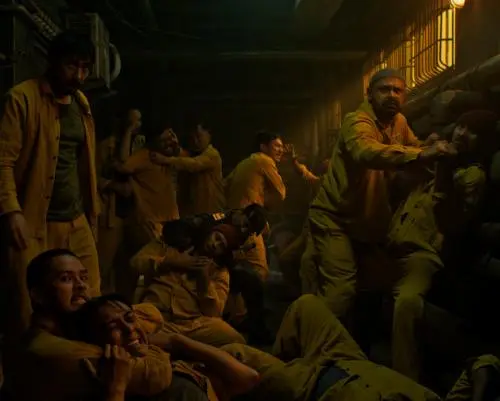
Indonesian filmmaker Joko Anwar has returned to the screen with a biting new project that blends horror tropes with sharp social commentary. Set within the brutal confines of a prison, the film explores systemic corruption and injustice. It marks a significant addition to the director’s growing repertoire of genre-bending cinematic works.
Anwar is a prolific figure in modern Indonesian cinema, frequently utilizing the horror genre to critique societal failings. His latest work echoes the thematic intensity found in the films of Bong Joon-ho or Park Chan-wook. By framing political grievances through a slasher lens, he forces audiences to confront uncomfortable truths about institutional power.
The narrative centers on the grim realities of the Indonesian penal system. Rather than relying solely on jump scares, the film uses its setting to illustrate the decay of authority. The characters navigate a landscape where violence is not just a threat but a tool of the state.
Can Horror Effectively Dismantle Political Injustice?
Critics have noted that the film’s central conflict serves as a metaphor for broader national issues. The director’s approach is deliberately confrontational, stripping away the veneer of justice to reveal the corruption underneath. It is a visceral experience that prioritizes message over traditional genre comfort.
The film invites viewers to consider whether genre fiction can truly drive political discourse. Anwar suggests that by exaggerating the horrors of incarceration, he can highlight the absurdity of real-world inequality. This strategy turns the prison into a microcosm of a society failing its most vulnerable citizens.
Frequently Asked Questions
While the film offers a grim outlook, its primary goal is to provoke thought rather than provide easy answers. It challenges the audience to recognize the patterns of abuse that persist in the shadows of society. Ultimately, the work cements Anwar’s reputation as a filmmaker who refuses to shy away from difficult subjects.
What is the primary focus of the film? The movie uses a prison-based slasher narrative to critique systemic corruption and social injustice in Indonesia.
How does the director approach social commentary? Joko Anwar employs horror elements to mirror real-world societal failures, drawing parallels to the stylistic intensity of acclaimed South Korean cinema.