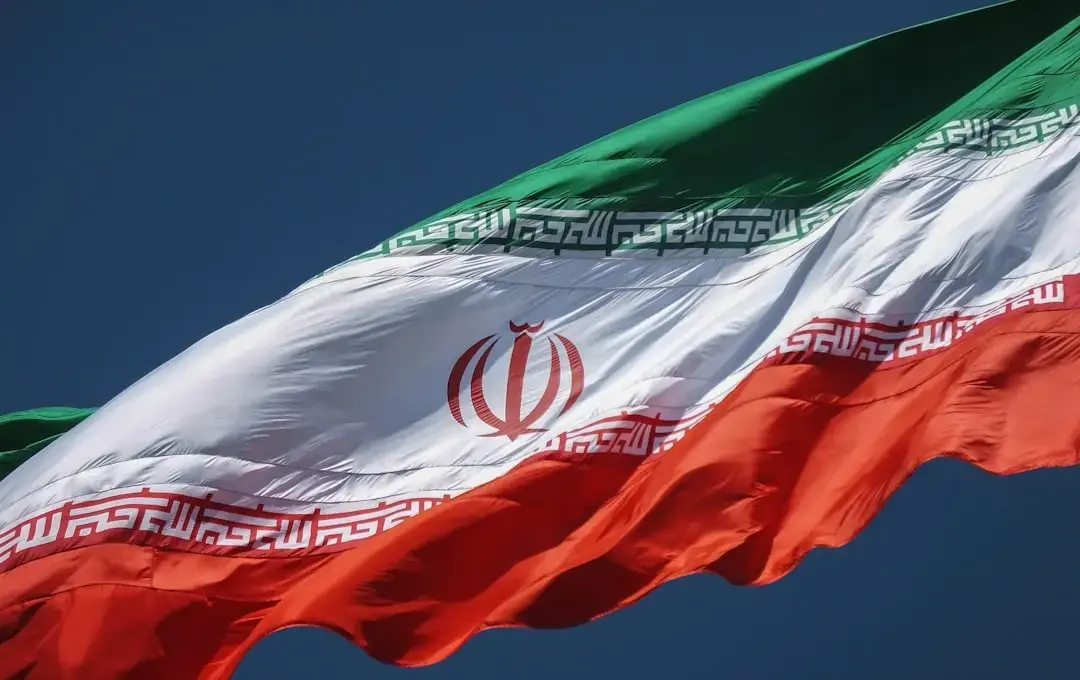
Iran’s Strategic Interests in the Hormuz Corridor
The Islamic Revolutionary Guard Corps (IRGC) navy announced on Thursday that recent U. S. attacks on Iranian targets are hindering the gradual reopening of the Strait of Hormuz. Tehran says the American actions are also interfering with efforts to redirect commercial shipping through the waterway, jeopardizing the interests of nations that rely on its flow.
The strait, a narrow channel linking the Persian Gulf to the Gulf of Oman, carries roughly 20 percent of the world’s oil. Iran closed the passage in 2019 after a U. S. drone strike killed a senior commander, then began a limited reopening under its supervision. Washington maintains a presence to ensure free navigation, citing regional security concerns. Tehran argues that the latest strikes on Iranian vessels and offshore facilities are forcing it to suspend transit operations, slowing the return of normal traffic.
Iran claims that supervising transit capacity allows it to collect fees and monitor traffic, a revenue stream it deems vital for its war‑torn economy. „Our ships are ready, but the attacks make it unsafe for merchants to trust the route,” an IRGC spokesperson said. The statement warned that continued U. S. interference could push regional exporters to seek alternative routes, diminishing Iran’s leverage. Analysts note that even a modest reduction in Hormuz traffic can ripple through global oil prices, underscoring the strait’s geopolitical weight.
Why Is the United States Intervening?
U. S. officials argue that their presence aims to prevent any single power from monopolizing the strait and to protect the free flow of commerce. They contend that Iranian provocations, including missile launches and naval drills, pose a direct threat to international shipping. Critics, however, point out that American strikes on Iranian infrastructure may exacerbate tensions, making the corridor less predictable. The dual narrative reflects a broader contest: Tehran seeks to assert control, while Washington pushes for an open, multilateral navigation regime.
The standoff risks extending the period of limited traffic, which could strain economies dependent on oil exports and imports. If diplomatic channels fail, the strait may see further disruptions, prompting oil‑dependent nations to diversify supply routes. Observers expect heightened naval activity and a possible escalation of rhetoric, but both sides have signaled a preference for avoiding a full‑scale confrontation.
Frequently Asked Questions
What impact do the U. S. attacks have on global oil markets? Disruptions in Hormuz can tighten oil supplies, nudging prices upward. Even short‑term delays often trigger market volatility.
Can the Strait of Hormuz operate without Iranian supervision? Technically, ships could pass under international law, but Iran’s control over port facilities and fees makes its cooperation essential for smooth operations.
Is there a diplomatic path to resolve the tension? Both nations have opened back‑channel talks in the past. A negotiated framework for shared oversight could restore confidence, though trust remains fragile.