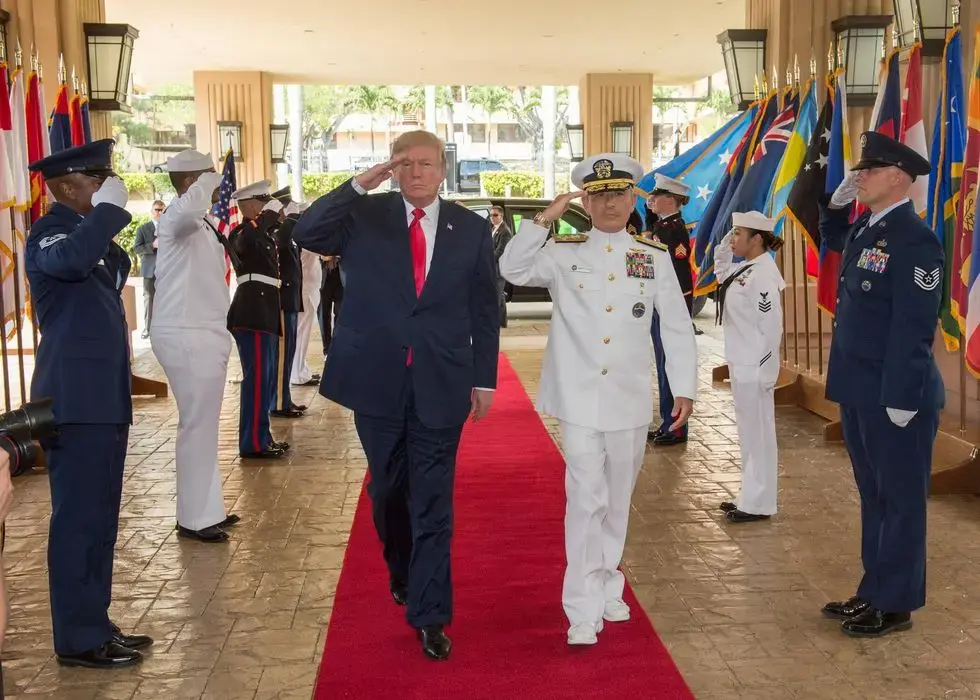
A Return to Tradition, Not a Shift in Focus
The Pentagon announced a significant change on June 16. The U. S. Indo-Pacific Command (USINDOPACOM) is reverting to its original 1947 designation. It will now be known as the U. S. Pacific Command (USPACOM).
This move, according to U. S. officials, is a return to „deep historical roots.”The command's vast area of responsibility remains unchanged. It stretches from the U. S. West Coast all the way to India's western maritime boundary.
The decision to change the name back to USPACOM emphasizes a long-standing identity. Officials stressed that this is not an alteration of strategic priorities. The geographic scope and operational mandate of the command will continue as before. This means the critical region, encompassing much of Asia and the Pacific, remains under its purview.
What Does This Name Change Signify for Regional Alliances?
The change reflects a desire to honor the command's heritage. It also aims to reinforce its foundational role in regional security. The Pentagon views this as a symbolic but meaningful restoration.
The renaming is primarily an internal administrative adjustment. It does not indicate any shift in U. S. alliance commitments. Partnerships with nations across the Indo-Pacific will continue to be a cornerstone of U. S. strategy. The command's mission to promote stability and security in the region remains paramount.
The reinstatement of the USPACOM name is a nod to its enduring legacy. It underscores the continuous U. S. presence and engagement in the Pacific. This change is more about identity than a new strategic direction.
Frequently Asked Questions
What is the primary reason for the name change? The Pentagon stated the change is a restoration of „deep historical roots.”It aims to honor the command's original 1947 name and its long-standing identity.
Does this change affect the command's area of responsibility? No, the command's area of responsibility remains exactly the same. It still covers the vast region from the U. S. West Coast to India's western maritime boundary.
Will this impact U. S. military operations or alliances in the region? U. S. officials insist this is not a change in strategic priorities or operational mandates. Military operations and alliances will continue as before, with no anticipated impact.