The Theological Stance on Human Suffering
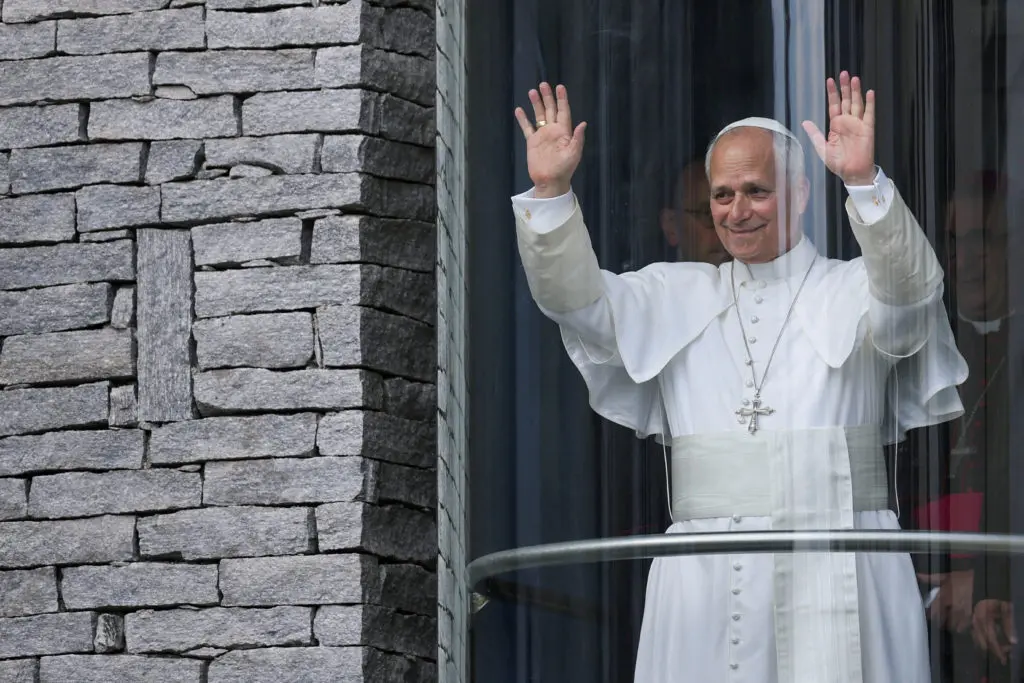
During his visit to the French shrine of Lourdes, Pope Francis addressed the contentious debate surrounding end-of-life care. On his third day in France, the pontiff firmly rejected assisted dying, labeling the practice as a form of false compassion. He spoke at a site globally renowned for its history of claimed miraculous healings.
The Pope’s remarks arrive as France navigates a complex legislative process regarding the legalization of medical aid in dying. His presence at the sanctuary underscored the Catholic Church’s traditional stance on the sanctity of life. He emphasized that true care involves supporting the suffering rather than ending their lives prematurely.
Francis argued that society must resist the urge to view death as a convenient solution to physical pain. He maintained that authentic mercy focuses on providing comfort, companionship, and spiritual support to those facing terminal illnesses. For the Vatican, any move toward assisted suicide represents a dangerous departure from moral obligations.
Is Medical Aid in Dying Truly Merciful?
The sanctuary at Lourdes serves as a pilgrimage destination for thousands seeking divine intervention for health struggles. By choosing this specific location, the Pope highlighted the contrast between seeking miraculous recovery and opting for assisted death. He urged medical professionals and families to prioritize palliative care over medical intervention designed to hasten expiration.
Critics of the Pope’s position argue that personal autonomy remains a fundamental right for those enduring unbearable pain. They suggest that the choice to end one's life can be an act of dignity rather than a failure of compassion. The debate remains deeply polarized, pitting religious doctrine against evolving secular views on individual freedom.
Frequently Asked Questions
As the legislative debate continues in France, the Pope’s intervention serves as a reminder of the significant influence held by religious leaders. The outcome of these discussions will likely shape national policy and influence global conversations on medical ethics. The Church remains committed to opposing any legal framework that permits the termination of human life.
Why did the Pope choose to speak at Lourdes? Lourdes is a globally recognized site for healing and faith, making it a symbolic backdrop for the Church to address the ethics of life and death.
What is the core of the Pope's argument against assisted dying? He contends that ending a life is never an act of compassion and that society has a duty to provide care and support instead of death.