From Sorting Bins to Policy Gaps
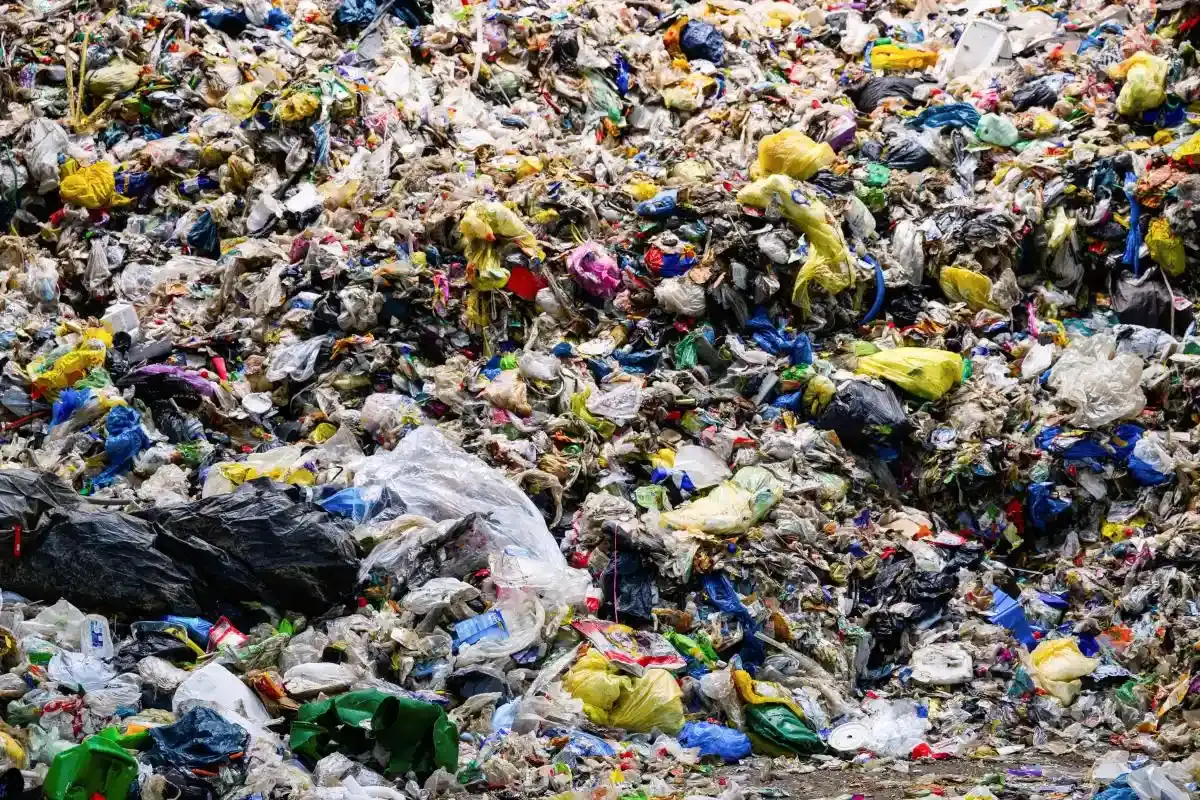
Winnie Lau, project director for Preventing Plastic Pollution at the Pew Charitable Trusts, reports on a widening plastics crisis. In August 2025, a waste‑sorting plant in Erftstadt, Germany, was overwhelmed by mountains of discarded polymer fragments. The scene underscores a global pattern that is escalating quietly but relentlessly.
The surge in plastic refuse stems from decades of cheap, disposable packaging and inadequate recycling infrastructure. Production of single‑use plastics has risen faster than any other material since the early 2000s. When these items enter the environment, they break down into micro‑particles that infiltrate oceans, soils, and even the human food chain. Experts warn that the cumulative impact threatens ecosystems, public health, and economies worldwide. Lau argues that without coordinated action, the problem will outpace current mitigation efforts.
At the Erftstadt facility, workers described the daily influx as „unmanageable.” The plant’s capacity, designed for modest volumes, now struggles to separate PET bottles from mixed polymers. This bottleneck illustrates a broader policy shortfall: many nations lack enforceable standards for product design, collection, and end‑of‑life treatment. Lau notes that „design‑for‑recycling” principles remain optional in most jurisdictions, allowing manufacturers to prioritize cost over circularity. Data from the European Environment Agency shows that only 30 % of plastic packaging is recycled across the continent, leaving the rest to landfill or incineration. The resulting emissions further exacerbate climate change, creating a feedback loop between waste and carbon footprints.
Can International Cooperation Stem the Plastic Tide?
Global collaboration could reshape the trajectory of plastic pollution, but it faces diplomatic and economic hurdles. Lau points to the recent UN‑led „Plastic Pact” as a promising framework, yet many signatories have yet to translate pledges into binding legislation. Trade agreements that embed recycling targets could incentivize cleaner supply chains, while financial mechanisms—such as extended producer responsibility fees—might fund advanced sorting technologies. Critics argue that without transparent monitoring, commitments risk becoming symbolic. Nonetheless, pilot programs in Scandinavia and South Korea demonstrate measurable reductions when governments, industry, and NGOs align goals. Scaling these models demands political will and public pressure.
If the current trend continues, plastic waste will dominate landfills and oceans by the 2030s, amplifying biodiversity loss and health risks. However, decisive policy reforms, coupled with innovative material science, could reverse the tide. Lau remains cautiously optimistic, emphasizing that „the window for effective intervention is narrowing, but not yet closed.” The coming years will test whether the world can mobilize resources and resolve to curb a crisis that threatens the planet’s future.
Frequently Asked Questions
What makes plastic waste especially harmful compared to other trash? Plastic fragments persist for centuries, breaking into micro‑plastics that enter food webs. Their chemical additives can leach toxins, affecting wildlife and human health.
How effective are current recycling programs? Globally, recycling rates hover around 30 % for packaging plastics. Many facilities lack the technology to sort mixed polymers, leading to high contamination and low recovery.
What immediate actions can individuals take? Consumers can reduce single‑use items, choose reusable alternatives, and support brands with transparent recycling commitments. Proper disposal and participation in local clean‑up events also help.