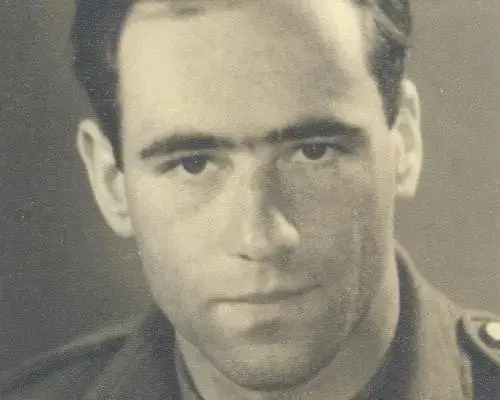
A Young Musician's Dreams Shattered
Fritz Lustig, a 13-year-old boy in Berlin, faced a grim reality when the Nazis rose to power in January 1933. A talented musician, he aspired to be a professional cellist, but the oppressive regime threatened his dreams and identity. As the Nazi regime tightened its grip, Fritz's Jewish heritage became a target. His family, having distanced themselves from their Jewish roots, found that this did not shield them from discrimination and persecution. By the time Fritz completed his education, the situation for Jews in Germany had drastically worsened.
Fritz's early life revolved around music. He practiced diligently, hoping to perform on grand stages. However, the rise of anti-Semitic policies forced him to confront harsh realities. Schools began to expel Jewish students, and public spaces became increasingly hostile. Fritz's aspirations were overshadowed by fear and uncertainty.
In 1937, Fritz and his family made a crucial decision to flee Germany. They sought refuge in England, hoping for safety and a chance to rebuild their lives. The journey was fraught with challenges, but they persevered, driven by the hope of escaping the horrors that awaited them under Nazi rule.
How Did Fritz Contribute to the Resistance?
Upon arriving in England, Fritz's passion for music remained strong. He became involved in various cultural initiatives, using music as a means of resistance. His experiences as a refugee shaped his perspective, leading him to advocate for the rights of others facing similar struggles.
During World War II, Fritz volunteered as a secret listenerfor the British intelligence. He helped gather crucial information about Nazi operations, leveraging his background and language skills. His contributions were vital in the fight against fascism, showcasing the resilience and courage of refugees.
Frequently Asked Questions
Fritz Lustig's journey from a hopeful musician to a key player in the resistance illustrates the impact of war on individual lives. His story serves as a reminder of the importance of standing against tyranny and supporting those who seek refuge from persecution.
What challenges did Fritz Lustig face as a Jewish boy in Nazi Germany? Fritz encountered significant discrimination and hostility due to his Jewish heritage. As policies against Jews intensified, he and his family faced the threat of expulsion from schools and public life.
How did Fritz contribute to the war effort in England? In England, Fritz volunteered as a secret listener, gathering intelligence on Nazi activities. His skills and experiences as a refugee made him an asset in the fight against fascism.