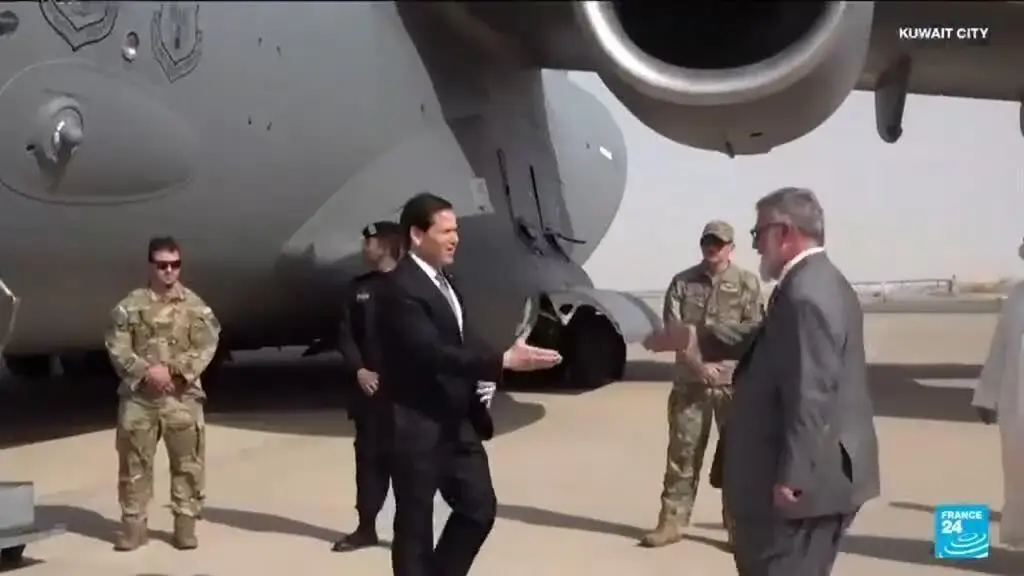
Calming Fears of Iranian Aggression
US Secretary of State Marco Rubio met with Gulf state officials on Wednesday to address concerns over the Iran nuclear deal. The meeting came amid growing unease among regional allies about the agreement's potential implications.
Rubio assured the Gulf states that the US remains committed to their security and will continue to counter Iranian aggression. He emphasized that the nuclear deal does not address Iran's ballistic missile program or its support for terrorist groups.
The Gulf states have expressed concerns that the deal could embolden Iran and lead to increased regional instability. Rubio's assurances were aimed at alleviating these fears and maintaining regional stability.
Will the US Stand by its Allies?
The US and its Gulf allies have differing views on the Iran nuclear deal, with the latter fearing it could lead to increased Iranian influence. Rubio's visit was seen as an effort to bridge this gap and reaffirm the US commitment to regional security.
The consequences of the Iran nuclear deal will be closely watched in the region, with many awaiting the outcome of US efforts to reassure its allies. The US will need to balance its commitment to the nuclear deal with its obligations to regional allies.
Frequently Asked Questions
What was the main purpose of Rubio's meeting with Gulf state officials? Rubio's meeting aimed to address concerns over the Iran nuclear deal and reassure Gulf states about US commitment to regional security.
How do Gulf states view the Iran nuclear deal? Gulf states are concerned that the deal could embolden Iran and lead to increased regional instability.
What are the key issues not addressed by the Iran nuclear deal? The deal does not address Iran's ballistic missile program or its support for terrorist groups.