Missing Medical Results and Urgent Financial Warnings
A new resident in a quiet countryside village has received just two letter deliveries during a three-month period. Essential medical test results, financial cards, and utility notices remain trapped somewhere within the struggling national postal network while parcels continue to arrive regularly.
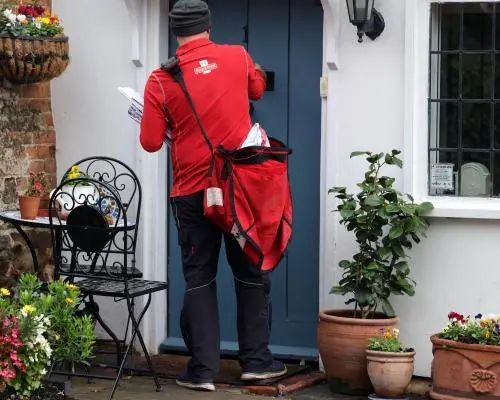
The severe disruption came to light when the homeowner realized crucial correspondence was missing. A bank card, overdue bill warnings, and outdated setup requests from a water provider arrived all at once. This single delivery only happened because the resident intercepted a postal worker handling parcel routes by chance.
The ongoing failure of the postal service carries serious risks beyond mere inconvenience. Waiting for critical health diagnostics creates immense anxiety for patients who depend on timely communication from medical facilities. Delays in receiving hospital letters can drastically alter treatment timelines and personal well-being.
Are Parcels Completely Replacing Standard Letters?
Financial stability is also threatened when crucial notices arrive weeks past their payment deadlines. Residents face unexpected late fees and damaged credit scores through no fault of their own. Postal operations appear heavily skewed toward parcel delivery, leaving traditional letter sorting completely neglected in rural areas.
Postal workers are increasingly overwhelmed by the massive surge in online shopping deliveries. Management structures often prioritize time-sensitive parcel quotas over the traditional daily letter routes that rural communities rely on.
Frequently Asked Questions
Fixing this systemic imbalance requires a total overhaul of workforce allocation and local sorting priorities. Communities deserve a reliable postal service that handles letters with the same urgency as commercial packages.
How many letter deliveries arrived in three months? Only two letter deliveries reached the rural household during the entire three-month period since moving to the village.
Why were the letters delayed? The postal network appears to prioritize parcel deliveries over standard letter sorting and rural distribution routes.