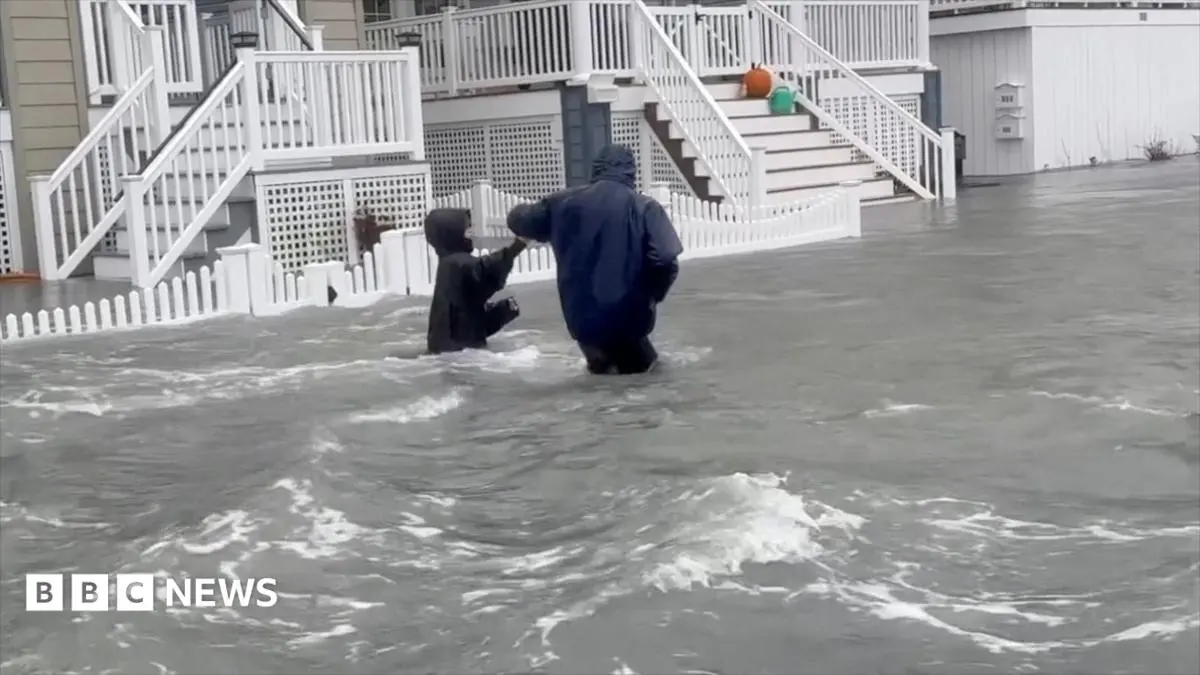
The holiday lull in daily activity meant fewer people were outside, which may have reduced casualties
Hundreds of thousands of residents were affected by the extreme weather. Roofs were torn off buildings, and streets quickly became submerged under rising floodwaters. The timing of the event coincided with the major US holiday, compounding the disruption for families traveling or gathering. The storms delivered intense wind and rain, creating hazardous conditions across multiple regions. Emergency services responded to numerous incidents, including downed trees, power outages, and flooded roadways. Holiday Travel Disrupted by Sudden Storms The convergence of peak travel season and severe weather created a perfect storm for commuters and travelers. Many found themselves stranded or delayed as flights were canceled and roads became impassable. Local authorities urged residents to stay indoors and avoid unnecessary travel.
The holiday lull in daily activity meant fewer people were outside, which may have reduced casualties, but the damage to property was extensive. What Does This Mean for Recovery Efforts? With the holiday week ending, the focus now shifts to assessing the full extent of the damage. Insurance claims are expected to surge as homeowners and businesses file reports. Officials anticipate a prolonged recovery period, particularly in areas where infrastructure was severely compromised. The event highlights the increasing frequency of extreme weather during peak travel seasons. Frequently Asked Questions How many people were affected by the storms? Hundreds of thousands of residents were impacted by the severe weather during the Thanksgiving weekend. What types of damage were most common? Roofs were torn off, and streets were flooded, with additional issues like downed trees and power outages reported. When is recovery expected to be complete?
Recovery timelines vary by region, but officials anticipate a prolonged effort to repair infrastructure and restore services.