Building Shade and Securing Water Before the Heat Peaks
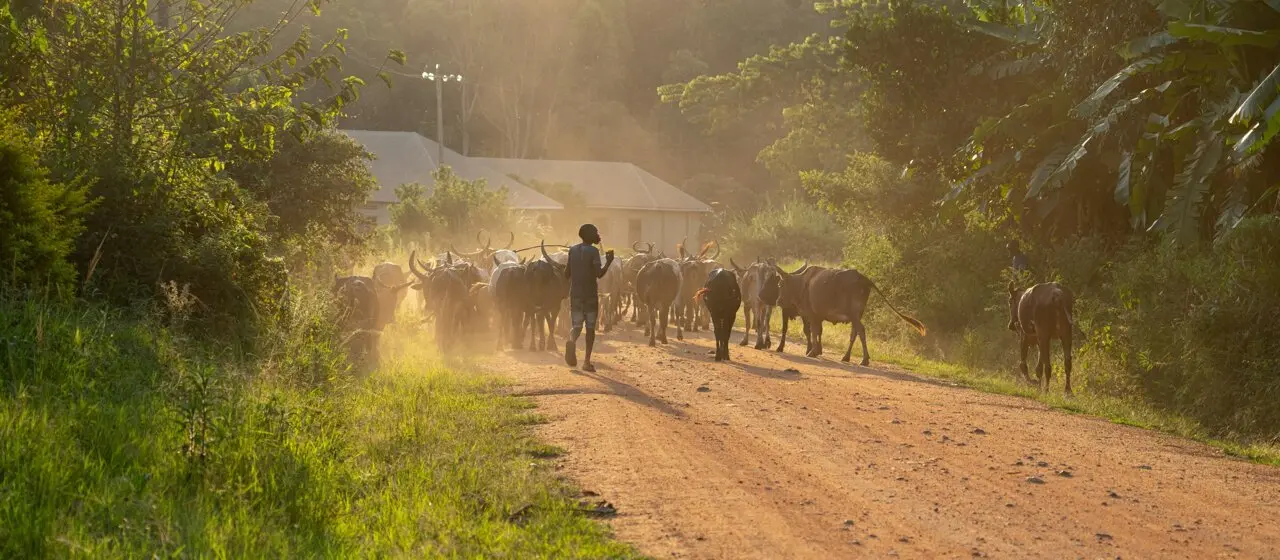
South Africa's smallholder farmers face a critical window to prepare for an impending super El Niño. Over two million rural households depend on agriculture, with roughly 613,000 families keeping cattle on communal rangelands. These farmers manage about 40% of the nation's 12.1 to 14.4 million cattle. December marks the start of the dry season, making preparation urgent.
The threat is not just about rain. Prolonged heat and water scarcity will stress both land and animals. Farmers must act before the worst arrives. They need to secure shade structures, reliable water sources, and sufficient feed reserves. Without these basics, cattle will suffer, and household income will drop sharply.
What Should Farmers Do Right Now?
Shade is the first line of defense against heat stress. Simple structures made from local materials can reduce body temperature significantly. Farmers should also test water points and repair pumps before the dry season intensifies. Feed storage must be sealed against pests and moisture. A well-stocked feed reserve gives animals a buffer during the lean months.
Act immediately. Assess each water point and fix leaks. Build or repair shade shelters using bamboo, thatch, or metal roofing. Buy or grow feed and store it in dry, elevated bins. Rotate grazing areas to prevent overgrazing. Monitor weather forecasts weekly and adjust plans as conditions change.
Frequently Asked Questions
How much feed should a smallholder farmer store? Store enough for at least 60 to 90 days. This covers the peak dry period. Adjust quantities based on herd size and expected rainfall gaps.
What type of shade works best for cattle in South Africa? Open-sided structures with broad roofs work well. They block direct sun while allowing airflow. Local materials like thatch or corrugated metal are cost-effective and durable.