What triggered the latest wave of student anger?
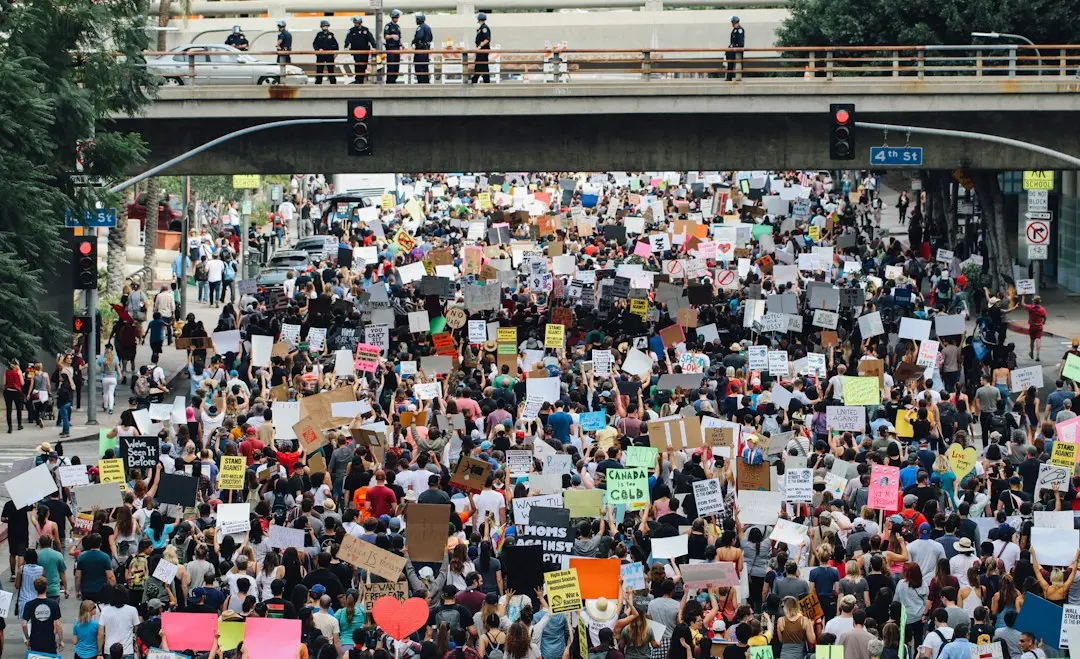
Hundreds of high school students have been arrested in France as protests over education reforms escalated into violent confrontations with police. The demonstrations, which began peacefully, spread to multiple cities on October 1, 2026, resulting in dozens of injuries and significant disruptions to public order. Authorities responded with force in several locations, leading to widespread criticism from student unions and civil liberties groups.
The unrest stems from proposed changes to university admission criteria and funding allocations that students argue will deepen inequality in access to higher education. Protest organizers claim the reforms favor wealthier regions and disadvantage rural and suburban communities. Teachers' unions have joined the demonstrations, citing concerns over deteriorating working conditions and reduced resources for public schools. Social media played a key role in mobilizing participants, with hashtags calling for national strikes trending throughout the week.
How are authorities responding to the growing unrest?
The immediate catalyst was the government's announcement of revised baccalaureate scoring methods, which students say unfairly penalize those from underfunded schools. Demonstrators also oppose planned tuition increases for certain technical programs, arguing they contradict France's principle of free public education. Union representatives stated that negotiations had broken down after three rounds of talks failed to address core demands for equitable funding and student representation in policy decisions.
Police deployed riot units in Paris, Lyon, and Marseille after clashes erupted near university campuses, using tear gas and batons to disperse crowds. Interior Ministry officials confirmed 342 arrests nationwide, with 27 individuals hospitalized for injuries sustained during confrontations. While condemning property damage, government spokespeople urged students to return to negotiations, insisting reforms aim to improve long-term educational outcomes. Student leaders rejected the offer, demanding the complete withdrawal of the proposed measures before any dialogue resumes.
Frequently Asked Questions
What specific changes are students protesting against? Students are opposing revised baccalaureate scoring algorithms and proposed tuition hikes for select technical programs, which they argue will limit access for disadvantaged youth and undermine equal opportunity in education.
Have any concessions been made by the government so far? As of October 1, 2026, no formal concessions have been offered; officials maintain the reforms are necessary but have agreed to continue talks if protests remain peaceful, a condition student leaders have refused to accept.