Rerouting Oil Shipments
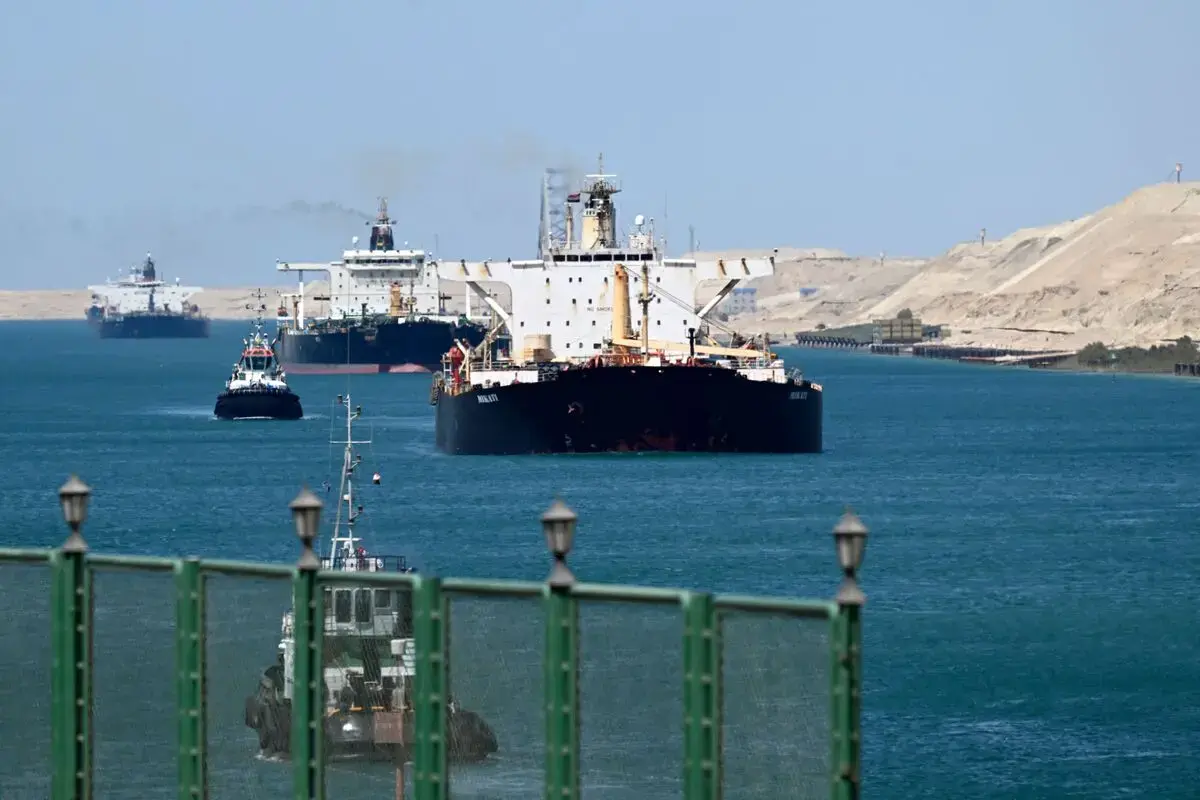
The Suez Canal in Egypt has experienced a significant increase in oil tanker traffic following the shutdown of the Strait of Hormuz. In April, the number of oil tankers passing through the canal rose by almost a third. This surge is directly linked to the disruption in the Strait of Hormuz.
The closure of the Strait of Hormuz has forced oil tankers to take an alternative route, resulting in a substantial boost to the Suez Canal's traffic. The canal, which connects the Mediterranean Sea to the Red Sea, is a vital waterway for international trade. With the Hormuz Strait shutdown, many oil tankers are now opting to traverse the Suez Canal instead.
Will the Suez Canal Continue to Benefit?
The increased traffic is expected to have a positive impact on the Egyptian economy. The Suez Canal Authority has seen a rise in revenue due to the increased number of tankers passing through the waterway. As the situation in the Strait of Hormuz remains uncertain, it is likely that the Suez Canal will continue to benefit from the rerouting of oil shipments.
What caused the shutdown of the Strait of Hormuz? The Strait of Hormuz was shut down due to heightened tensions in the region. The exact circumstances surrounding the closure are complex and multifaceted.
Frequently Asked Questions
How will the increased traffic affect the Suez Canal? The increased traffic is expected to result in higher revenues for the Suez Canal Authority. However, it also poses potential logistical challenges.
What are the implications for global oil prices? The rerouting of oil tankers through the Suez Canal may lead to increased costs and potential delays, which could impact global oil prices. The extent of this impact remains to be seen.