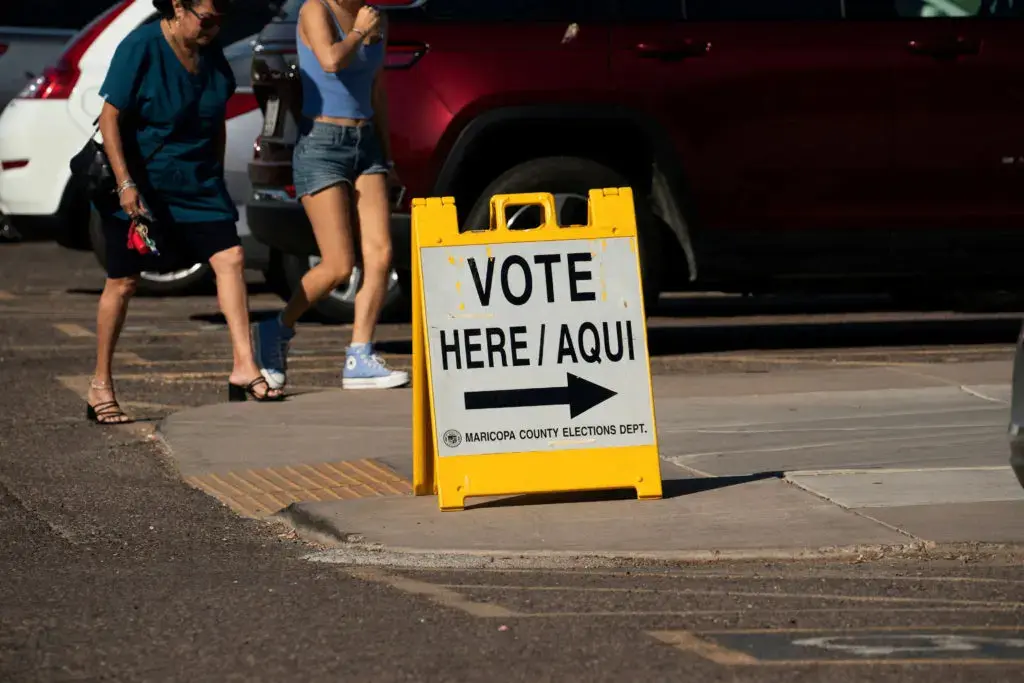
Voting Law Restrictions Under Scrutiny
The US Supreme Court has agreed to review a Republican-backed effort to reinstate Arizona voting laws. The decision was announced on Monday. The laws in question were previously blocked by lower courts. The case is linked to Trump's claims of voter fraud.
The Republican push to revive the laws is part of a broader effort to restrict voting access. The laws would make it harder for certain groups to cast ballots. Arizona's voting laws were challenged by voting rights groups. They argued that the laws disproportionately affected minority voters.
The Supreme Court's decision to take the case has significant implications for voting rights in the US. The laws in question include provisions that prohibit certain individuals from collecting and submitting ballots on behalf of others. Voting rights groups argue that these provisions are discriminatory and restrict access to the ballot.
Can Voting Laws Be Restrictive Without Being Discriminatory?
The case is closely watched, as it may set a precedent for other states to follow. The outcome could have far-reaching consequences for the 2024 presidential election. If the laws are reinstated, it could make it more difficult for certain groups to participate in the electoral process.
The Supreme Court's decision is expected to be closely divided. The outcome will depend on the court's interpretation of the laws and their impact on voting rights.
Frequently Asked Questions
What is at stake in the Supreme Court case? The case could determine the fate of Arizona's voting laws and set a precedent for other states. It may impact the 2024 presidential election.
What are the main provisions of the laws in question? The laws would restrict certain individuals from collecting and submitting ballots on behalf of others. They may also impose other restrictions on voting access.
How might the outcome affect voting rights? This could have significant implications for the democratic process.