EU's Compromised Values?
Taliban representatives met with European Union officials in Brussels on June 23 to discuss deportations. The closed-door talks were the first between the Taliban and the EU. The meeting came amid criticism from human rights groups.
The discussions centered on the EU's plans to deport Afghan migrants. Human rights organizations have expressed concerns that the EU is compromising its values by engaging with the Taliban.
Can the EU Balance Interests?
Critics argue that the EU's engagement with the Taliban undermines its commitment to human rights. The Taliban's restrictive policies, particularly against women, have drawn international condemnation. EU officials have not disclosed the details of the talks.
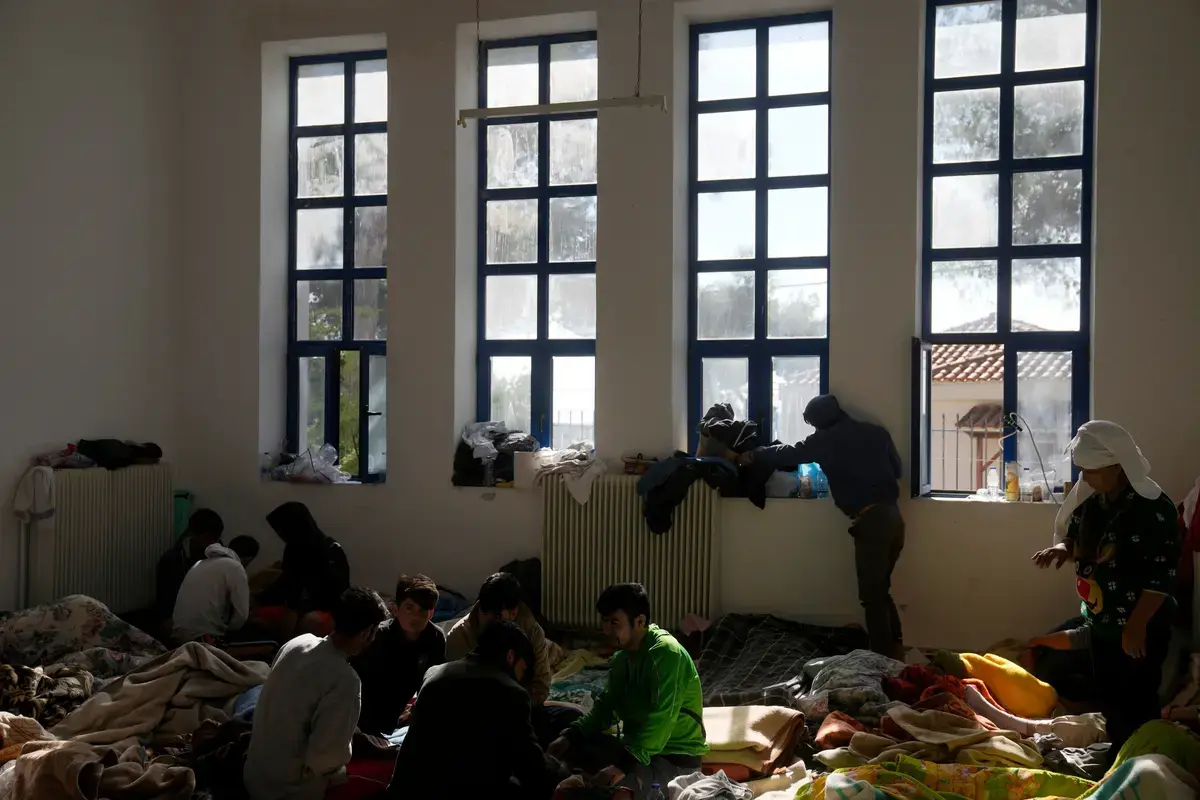
The EU has been struggling to manage the influx of Afghan migrants. Many have been stranded in limbo, with their asylum claims pending. The EU's efforts to deport them have been met with resistance from human rights groups.
The EU's decision to engage with the Taliban has sparked debate about its priorities. While the EU aims to manage migration, it must also uphold its human rights obligations. The outcome of the talks remains uncertain.
Frequently Asked Questions
The EU's engagement with the Taliban is likely to have significant implications for its migration policy. As the EU navigates this complex issue, it must balance its interests with its commitment to human rights.
What were the main topics discussed during the talks? The discussions centered on deportations and the EU's plans to return Afghan migrants. Why have human rights groups criticized the EU's engagement with the Taliban? They argue it undermines the EU's commitment to human rights. What are the potential consequences of the EU's engagement with the Taliban? It may compromise the EU's values and impact its migration policy.