Why is the EU Considering This Ban?
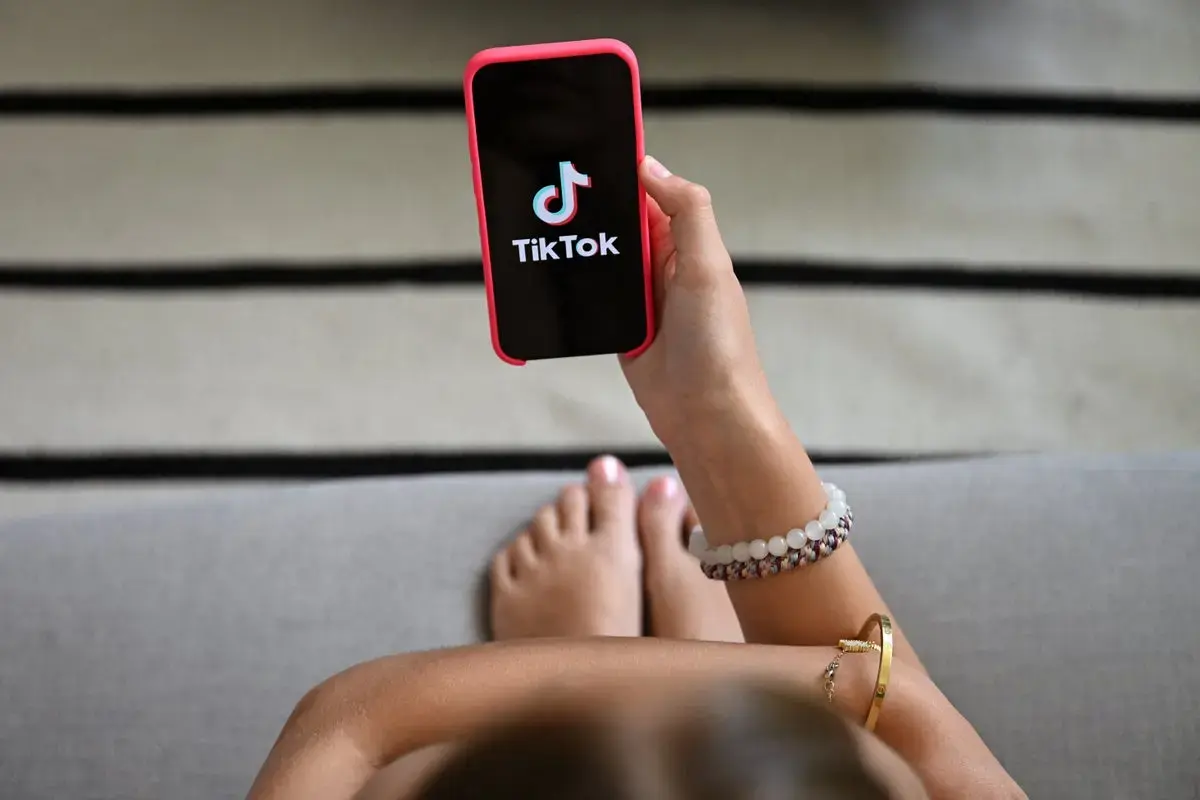
The European Union is preparing to implement a widespread ban on social media access for children across all member states. This significant move aims to protect young users from potential online harms. The initiative follows similar actions taken or considered by several other major global powers.
This upcoming EU-wide regulation reflects a growing international concern regarding the impact of social media on minors. Policymakers are increasingly focused on safeguarding children's well-being in the digital age. The proposed ban seeks to create a safer online environment for Europe's youth.
The decision comes as countries worldwide grapple with the challenges posed by social media platforms to younger demographics. Concerns include mental health impacts, exposure to inappropriate content, and data privacy issues. The EU's unified approach highlights a collective commitment to addressing these complex problems.
How Will This Ban Be Enforced?
Australia, Britain, China, India, and the United States have already either enforced such bans or are actively exploring similar measures. This global trend suggests a broad consensus among governments about the need for stricter controls. The EU's plan aligns with these international efforts to protect children online.
Details on the exact enforcement mechanisms are still emerging. However, it is expected that the ban will involve age verification processes and require social media companies to implement stricter controls. The goal is to prevent children from creating accounts or accessing platforms deemed unsuitable for their age.
Frequently Asked Questions
The implementation of such a comprehensive ban will likely involve close cooperation between national governments and technology companies. It will also necessitate public awareness campaigns to inform parents and guardians. The long-term impact on children's digital habits and online safety remains a key focus.
What is the main goal of the EU's social media ban? The primary goal is to protect children from the potential negative effects of social media, such as exposure to inappropriate content and mental health issues. It aims to create a safer online environment for young users.
Which other countries have taken similar steps regarding social media for children? Australia, Britain, China, India, and the United States have either already implemented social media bans or are currently considering similar regulations. This shows a global trend towards greater protection for minors online.