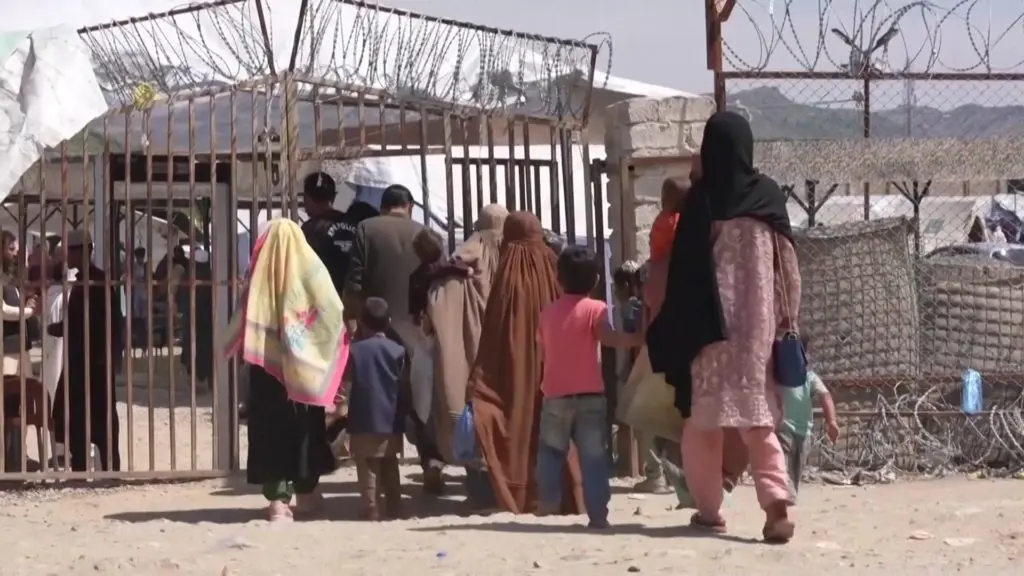
The Pressure of Regional Deportation Policies
Thousands of Afghan citizens face a harrowing dilemma as they flee the Taliban’s rule while others are coerced into returning home. Since the regime seized power, the nation has spiraled into economic collapse and extreme instability. Neighboring countries are now increasingly pressuring Afghan refugees to leave, creating a volatile situation for those displaced by the ongoing humanitarian catastrophe.
The Taliban's return to governance has triggered widespread poverty and severe restrictions on human rights. Many families who sought sanctuary across borders now find their temporary status revoked. Authorities in neighboring regions are implementing stricter deportation policies, leaving vulnerable populations stranded without legal protection or a safe place to settle.
Host nations are citing economic strain and security concerns as primary reasons for the mass expulsions. These forced repatriations often disregard the extreme risks returnees face upon arrival. Many Afghans who spent years in exile are now being sent back to a country that no longer resembles the one they left. They arrive to find limited job opportunities and a crumbling social infrastructure.
Can International Diplomacy Protect Vulnerable Families?
International aid organizations warn that the situation is reaching a breaking point. Without a coordinated global response, the cycle of displacement will only intensify. Families are forced to choose between the dangers of remaining in a hostile foreign land or returning to a homeland governed by a regime that suppresses their basic freedoms.
The outlook for those caught in this transition remains grim. Diplomatic efforts to secure safe passage or extended stays have struggled to gain traction. As winter approaches, the lack of resources for returnees threatens to exacerbate an already dire health and food security crisis. The international community faces mounting pressure to provide humanitarian corridors for those truly at risk.
Frequently Asked Questions
Without significant intervention, the forced return of refugees will likely lead to further regional instability. Many individuals are left in a state of permanent limbo, unable to integrate into host societies and terrified of the conditions awaiting them in Afghanistan. The humanitarian cost of these policies continues to rise daily.
Why are neighboring countries forcing Afghan refugees to return? Host nations often cite domestic economic pressures and security challenges as reasons for these policies. They argue that they can no longer sustain the large influx of displaced persons.
What dangers do returnees face in Afghanistan? Returnees encounter a severe economic collapse and a lack of basic human rights. The current regime’s policies create an environment of extreme uncertainty and physical danger for many citizens.