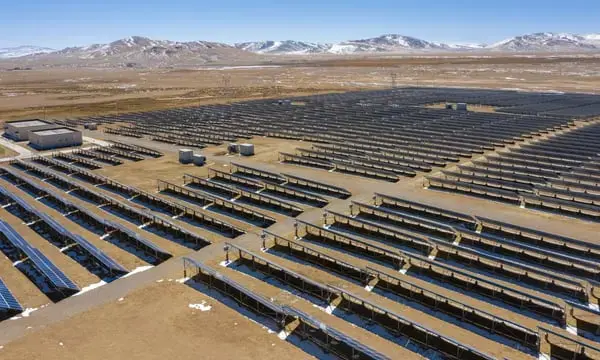
The Strategic Importance of Tibetan Resources
Tibet is a major player in China's renewable energy sector. The region boasts significant wind, solar, and hydropower resources. However, the Tibetan people reportedly have no control over how these vast resources are developed or utilized. This situation highlights a growing tension between national energy goals and local autonomy.
This lack of local input is a key issue. Decisions about large-scale energy projects are made without their consent. This raises questions about resource management and indigenous rights.
Is Local Consent Being Ignored?
The Tibetan Plateau is crucial for China's green energy ambitions. Its high altitude and vast open spaces are ideal for solar and wind farms. The region's rivers also offer immense hydropower potential. These resources are vital for China's shift away from fossil fuels. They help power the nation's industrial growth and urban centers.
Global demand for green energy is increasing rapidly. China is a leader in this transition. Tibet's energy output directly supports this national strategy. This makes the region a cornerstone of China's environmental commitments.
# What types of green energy are prominent in Tibet?
The central government directs these energy projects. Local Tibetan communities often see their lands used for these developments. Yet, they reportedly lack any meaningful say in the process. This raises concerns about fair compensation and environmental impact on their traditional lands.
Critics argue that this approach disregards the rights of the Tibetan people. They believe that local populations should have a voice in projects affecting their homeland. This issue is not unique to Tibet, but it is particularly pronounced there.
# How does Tibet's energy production benefit China?
The long-term implications for Tibetan culture and environment are significant. Without local involvement, sustainable development becomes a challenge. The current model prioritizes national energy needs over local self-determination. This imbalance could lead to future conflicts and resentment.
Tibet is a major source of wind, solar, and hydropower. Its unique geography provides abundant opportunities for these renewable energy sources. Large-scale power stations are being built across the plateau.
# Do Tibetan people have a say in energy development?
Tibet's green energy output is essential for China's national energy grid. It helps power industries and cities across the country. This reduces China's reliance on fossil fuels and supports its climate goals.
Reports indicate that the Tibetan people have little to no say in how their resources are used. Decisions are made by the central government. This raises concerns about local autonomy and resource governance.