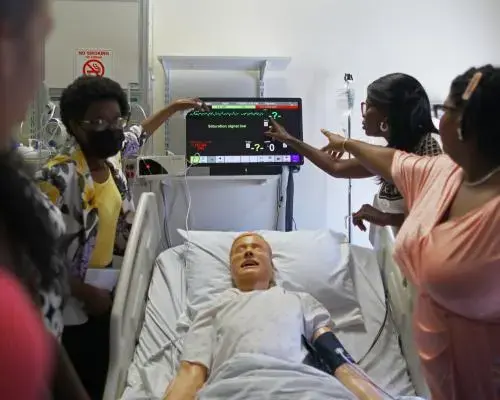
Looming Shortage of Essential Workers
A recent Supreme Court decision could worsen America's severe shortage of caregivers. The ruling impacts the temporary protected status (TPS) of Haitian and Syrian immigrants. Experts warn that removing these protections will have significant consequences for the elderly and those needing care.
The United States is currently seeing its fastest rise in the aging population in over a century. More than 20% of the US population will be over 65 by 2030. This demographic shift creates a huge demand for care workers.
Many immigrants fill crucial roles in the care sector. They often take jobs that native-born Americans avoid. Losing these workers would create a massive gap in an already strained system. This could leave many elderly and disabled individuals without necessary support.
How Will This Affect Care for the Elderly?
The healthcare industry relies heavily on immigrant labor. Immigrants comprise a substantial portion of nurses, home health aides, and other care providers. Their contributions are vital for maintaining the health and well-being of vulnerable populations.
The potential loss of TPS for Haitian and Syrian workers could be devastating. These individuals often work in nursing homes, assisted living facilities, and in-home care. Their departure would mean fewer hands available to assist with daily tasks, medical needs, and companionship.
Families might struggle to find affordable and reliable care options. The quality of care could also decline due to understaffing. This situation would place an immense burden on an already stretched healthcare system. It could also lead to higher costs for families seeking care.
The long-term outlook is concerning. Without these workers, the US faces a deepening crisis in elder care. Solutions are needed to address both immigration policy and the growing demand for care services.
Frequently Asked Questions
What is Temporary Protected Status (TPS)? TPS is a temporary immigration status granted to eligible nationals of certain countries. It is given when conditions in their home country, such as armed conflict or natural disaster, make it unsafe for them to return.
Why are Haitian and Syrian immigrants particularly affected? Many individuals from Haiti and Syria have been granted TPS due to instability and crises in their home countries. They often work in critical service sectors, including healthcare and elder care, in the US.
What is the potential impact on the US caregiving industry? Experts predict that removing TPS for these groups would lead to a significant reduction in the caregiving workforce. This would exacerbate existing shortages and make it harder to provide adequate care for the rapidly growing elderly population.