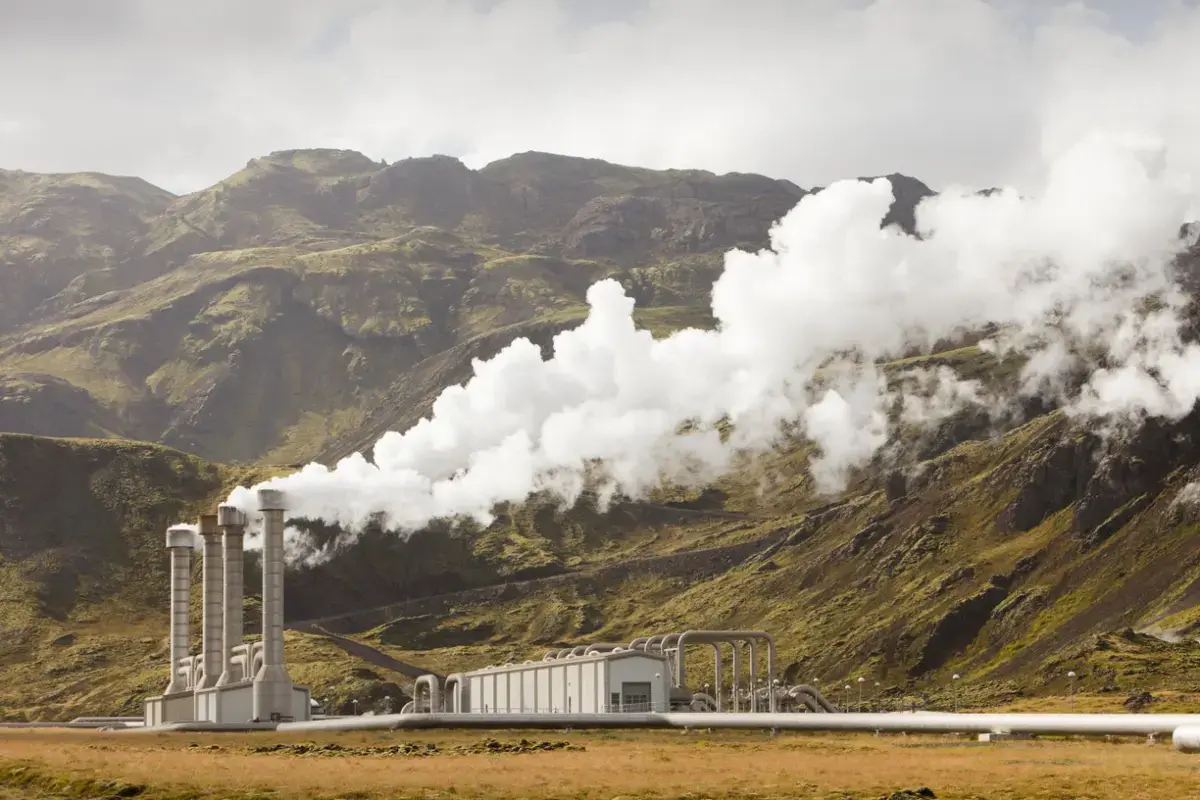
Tapping Into Ubiquitous Geothermal Resources
Scientists are exploring new methods to harness geothermal energy from almost any location on Earth. This could provide a vast, clean power source. Currently, only a few regions with natural underground reservoirs can effectively utilize this heat. New technology aims to change that, making limitless geothermal power widely accessible.
The planet holds immense heat reserves, far exceeding humanity's energy needs. However, accessing this energy has traditionally been limited to specific geological hotspots. Iceland's Hengill region, for example, successfully operates geothermal power stations due to its unique natural conditions.
The challenge lies in extracting heat efficiently from areas without easily accessible hot water or steam. Traditional geothermal plants rely on naturally occurring underground water systems heated by the Earth's core. These systems then bring hot fluid to the surface. New approaches focus on creating artificial geothermal systems in dry rock formations. This involves drilling deep wells and fracturing the rock to create pathways for water to circulate and absorb heat.
How Can We Access Geothermal Energy Everywhere?
The latest innovations involve advanced drilling techniques and enhanced geothermal systems (EGS). These systems inject water into hot, dry rock deep underground. The water then heats up and is brought back to the surface to generate electricity. This method bypasses the need for natural geothermal reservoirs. It effectively creates a man-made one.
This technological leap could transform the global energy landscape. It offers a constant, reliable power source, unlike intermittent solar or wind energy. The potential for widespread deployment means energy independence for many nations. It also significantly reduces reliance on fossil fuels. This development promises a future where clean, sustainable energy is available on a much broader scale.
Frequently Asked Questions
What is enhanced geothermal systems (EGS)? EGS involves injecting water into hot, dry rock formations deep underground. This water heats up and is then circulated back to the surface to produce electricity, creating an artificial geothermal reservoir.
Why is geothermal energy considered a clean power source? Geothermal power plants typically release very low levels of greenhouse gases. They use the Earth's natural heat, making them a sustainable and environmentally friendly alternative to fossil fuels.
How does this new approach differ from traditional geothermal plants? Traditional plants require natural underground hot water or steam reservoirs. The new approach, using EGS, can create these systems artificially in areas that lack natural geothermal activity, expanding potential locations.