Impact on U. S. Strategic Deterrence
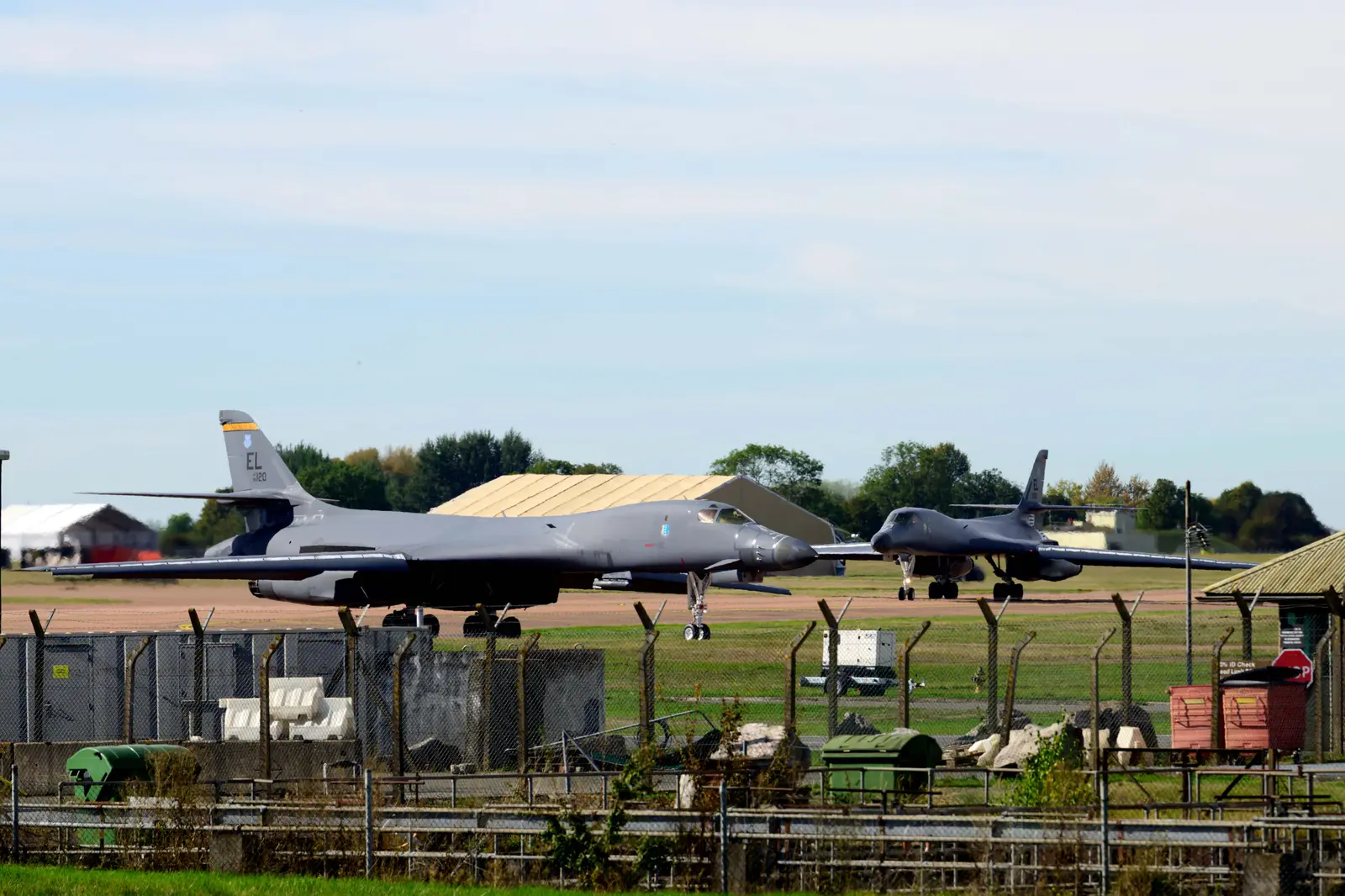
In the early hours of October 4, 2026, the United States Air Force removed all of its B‑1 bomber aircraft from RAF Fairford, a key Royal Air Force base in southern England. The move followed the arrest of several men in the surrounding area on suspicion of a terrorist plot, prompting heightened security measures at the site. The withdrawal involved roughly a dozen B‑1 aircraft, which had been stationed there for joint training exercises with British forces.
The decision to pull the bombers reflects a broader reassessment of overseas deployments amid escalating threats. While the U. S. has maintained a presence at Fairford for decades, recent intelligence reports indicated increased risks to personnel and equipment. The U. S. military cited „operational security” as the primary reason for the rapid redeployment, and the aircraft were flown back to the United States within 24 hours. British officials confirmed that the base’s security protocols were temporarily intensified, with additional checkpoints and surveillance upgrades.
The B‑1 fleet is a cornerstone of the United States’ nuclear deterrence strategy. By removing these aircraft from a forward‑deployed position, Washington may be signaling a shift toward a more centralized posture. Analysts note that the withdrawal could reduce the U. S. ability to conduct rapid, joint exercises with NATO allies in the European theater. However, the Air Force has assured that the bombers remain fully operational and will return to Fairford once security conditions normalize.
How Will the UK Respond to Heightened Threats?
The move also raises questions about the future of U. S. basing agreements in the United Kingdom. The Fairford lease, which runs until 2035, includes provisions for shared use of facilities and joint training. The sudden removal of the B‑1s may prompt renegotiations or a reevaluation of the strategic value of the base. Moreover, the incident underscores the fragility of overseas deployments in an era of heightened asymmetric threats.
The United Kingdom has pledged to bolster its own defensive posture in response to the perceived threat. Prime Minister Rishi Sunak announced a review of the UK’s counter‑terrorism strategy, with a focus on intelligence sharing and rapid response capabilities. The Ministry of Defence has increased funding for cyber and physical security at RAF Fairford, and plans to deploy additional personnel from the Royal Air Force’s Special Operations Command.
The British government also emphasized the importance of maintaining strong ties with the United States. Despite the temporary withdrawal, officials reiterated that the U. S. remains a key ally in the fight against terrorism and that joint exercises will resume once safety is reestablished. The UK’s commitment to NATO’s collective defense remains unchanged, and the country is working closely with Washington to ensure that any future deployments meet stringent security criteria.
Consequences for European Defense Dynamics
The B‑1 departure may prompt other NATO members to reassess their own basing arrangements with the United States. Germany, France, and Poland have all expressed interest in expanding their own air force capabilities, citing the need for greater deterrence against potential adversaries. The withdrawal could accelerate discussions about shared basing agreements and the distribution of strategic assets across the alliance.
In the longer term, the incident may influence the United States’ approach to forward deployment in the European theater. While the Air Force remains committed to maintaining a credible deterrent, it may shift toward more flexible, modular units that can be rapidly deployed and withdrawn as conditions dictate. The U. S. may also invest more heavily in cyber and space capabilities to compensate for reduced physical presence.
Frequently Asked Questions
Why were the B‑1 bombers removed so quickly? The U. S. Air Force cited increased security risks following the arrest of suspected terrorists near RAF Fairford. The aircraft were flown back to the United States within 24 hours to mitigate potential threats.
Will the U. S. return the bombers to Fairford? Yes. Washington has stated that the bombers remain fully operational and will resume joint exercises with the UK once security conditions are deemed safe.
How will this affect U. S.–UK defense cooperation? While the withdrawal is temporary, it highlights the need for stronger security protocols. Both nations are working to ensure that future deployments meet heightened safety standards, preserving the overall alliance framework.