Structural Failures Drive Demand for Radical Transparency
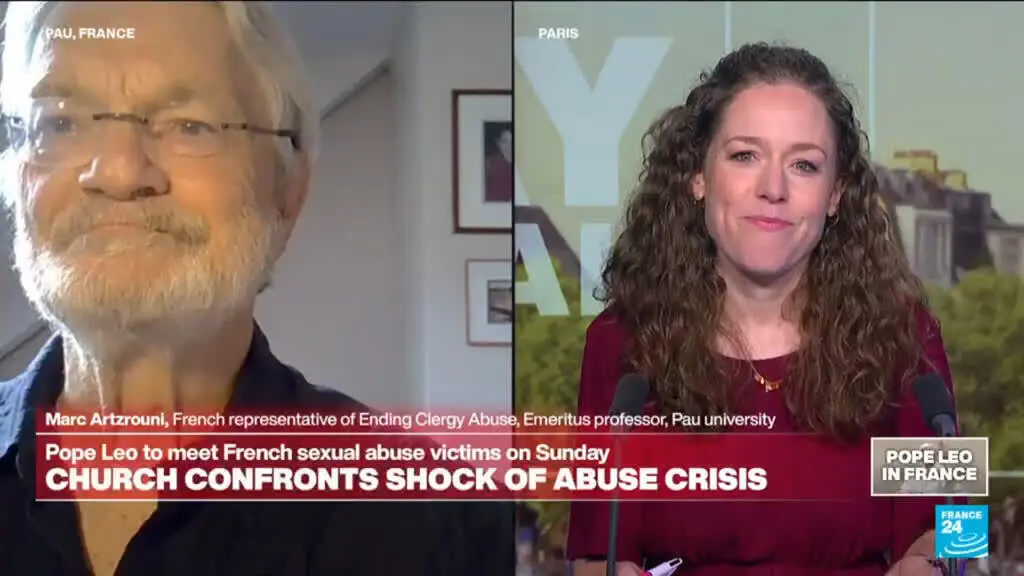
Pope Leo XIV returned to Rome following a two-day visit to Paris. The trip attracted hundreds of thousands of faithful to the French capital. However, the global Church now faces intense scrutiny regarding its handling of sexual abuse cases. This crisis continues to shake the institution’s credibility worldwide. The return marks a pivotal moment for the new pontiff’s leadership. He must address deep-seated concerns within the clergy and laity. The pressure to reform remains high and immediate.
The Paris visit served as a significant public engagement for the Pope. It demonstrated his ability to draw large crowds despite the ongoing controversy. Yet, the shadow of the abuse scandal looms large over these celebrations. Critics argue that the Church has been slow to acknowledge systemic failures. They demand transparency in how cases are investigated and reported. The gap between public devotion and internal accountability is widening rapidly. This tension defines the current state of the Catholic Church globally.
Can Institutional Reform Outpace Public Skepticism?
The core issue involves the protection of victims and the accountability of perpetrators. Many dioceses have historically concealed evidence or moved accused priests between parishes. This practice, known as clericalism, often prioritized institutional image over individual safety. Recent data reveals that thousands of cases remain unresolved or under investigation. The Vatican has introduced new protocols to address these gaps. These measures include independent review boards and clearer reporting channels. However, skeptics believe these changes are too little, too late. They point to the sheer volume of historical cases still pending. The psychological toll on survivors remains a central focus of advocacy groups.
Public trust in religious institutions has hit historic lows in many Western nations. Polling data suggests that a majority of adults view the Church with caution. This skepticism extends beyond the clergy to include lay leaders and administrative staff. The Pope’s recent actions aim to signal a break from the past. He has emphasized empathy and structural change in his homilies. Yet, the speed of implementation varies significantly across different regions. Some local bishops resist central directives, citing cultural differences. This fragmentation complicates the unified response needed to heal the crisis. The Church must balance tradition with modern governance standards effectively.
The path forward requires consistent action rather than symbolic gestures. Future months will test the durability of new reforms. If progress stalls, the risk of further schisms increases. The Vatican must demonstrate that justice supersedes hierarchy. Only then can the institution begin to rebuild its moral authority. The outcome of this crisis will define the Church’s role in society for decades.
Frequently Asked Questions
How many people attended the Pope’s events in Paris? Hundreds of thousands of believers gathered during the two-day visit. This massive turnout highlights the enduring popularity of the papacy among the faithful. It contrasts sharply with the internal debates about institutional reform.
What specific measures has the Vatican adopted recently? New protocols include independent review boards for abuse cases. Clearer reporting channels have also been established to streamline investigations. These steps aim to reduce the power of local bishops in handling complaints.