How Are Families Coping With No Reliable Water Source?
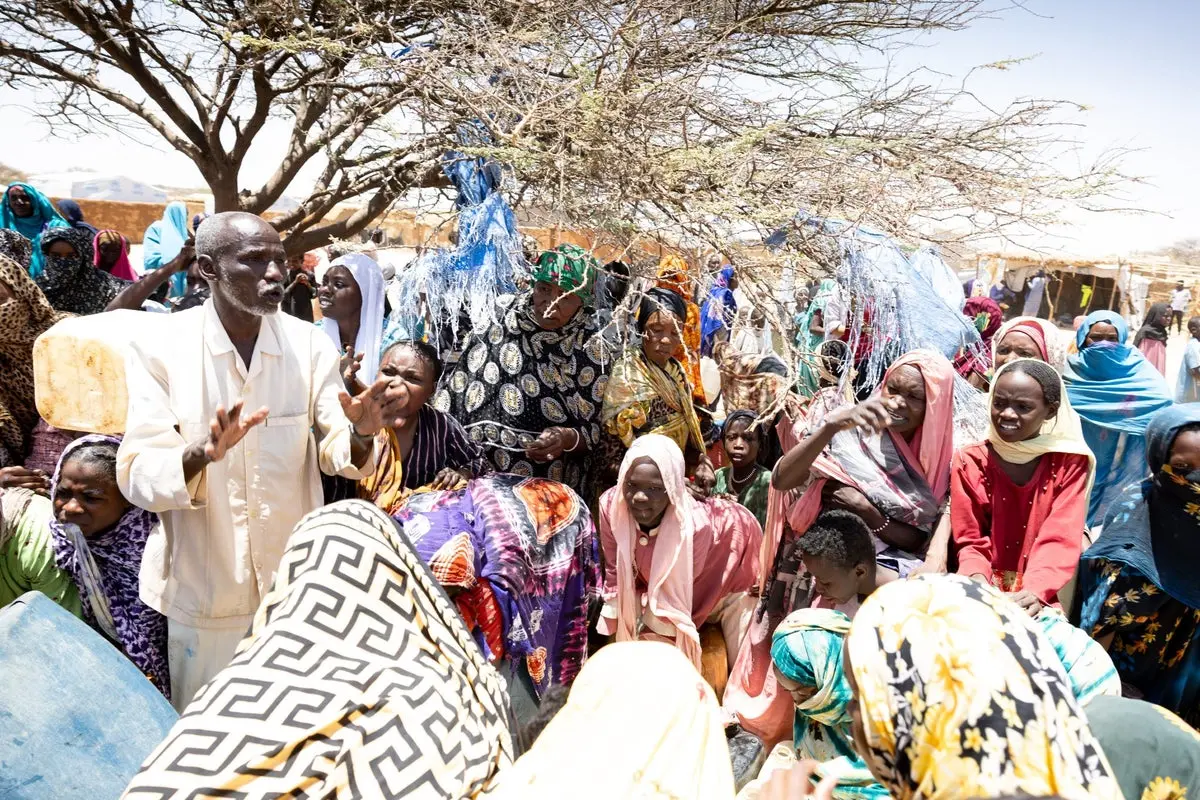
In the arid expanses of eastern Chad, young mothers in remote refugee camps are forced to dig graves for their own children as they struggle to survive amid extreme water scarcity. Hundreds of displaced families, primarily from Sudan, endure daily treks to isolated water points that often run dry within hours. The crisis has intensified since October 2026, with aid deliveries inconsistent and temperatures soaring above 45°C. Gordon Cole-Schmidt reports from the region, where the search for clean water has become a desperate, life-or-death routine.
The situation reflects a broader humanitarian collapse in camps like Farchana and Gaga, where over 200,000 refugees now live in makeshift shelters with minimal sanitation. Water points, when functional, attract chaotic crowds as families rush to fill containers before supplies vanish. Mothers describe burying children who succumbed to dehydration or waterborne diseases, their small bodies wrapped in cloth and laid to rest in shallow desert graves. „There is nobody who can help us,” one mother told Cole-Schmidt, her voice hollow after losing her toddler to diarrhea last week. Local health workers confirm a spike in child mortality, linking it directly to unsafe water consumption and lack of medical supplies.
What Happens When the Rains Fail Again?
Many refugees now walk up to 15 kilometers daily in search of moisture, digging into dry riverbeds or collecting condensation from rocks at dawn. Some trade food rations for water carried by donkey carts from distant wells, though prices have tripled in recent weeks. Aid agencies have installed solar-powered pumps in a few locations, but frequent breakdowns and sand clogging render them unreliable. Despite these efforts, the UNHCR estimates that less than 30% of the camp population receives the minimum 15 liters of water per person per day recommended for survival in arid climates.
With the next rainy season still months away and climate patterns growing more unpredictable, aid officials warn of a looming catastrophe. Without sustained funding for water infrastructure and emergency medical response, preventable deaths among children under five could rise sharply. Refugee leaders are calling for urgent international intervention, not just temporary relief, but long-term solutions like deep boreholes and water recycling systems. Until then, mothers continue to dig — not just for water, but for the graves of those they could not save.
Why are refugees in Chad struggling to access clean water? The refugee camps in eastern Chad face extreme water scarcity due to their desert location, limited infrastructure, and the sudden influx of hundreds of thousands fleeing conflict in Sudan. Existing water points are few, often broken, and overwhelmed by demand, leaving families to rely on unsafe or distant sources.
Frequently Asked Questions
Can aid agencies provide enough water for everyone? Currently, humanitarian organizations are unable to meet basic water needs in the camps due to funding shortfalls, logistical challenges, and harsh environmental conditions that damage equipment. Only a fraction of refugees receive the recommended daily water amount, forcing many to seek alternatives that pose health risks.
What diseases are spreading due to poor water conditions? Contaminated water has led to outbreaks of diarrheal diseases, cholera, and typhoid, particularly affecting young children with weak immune systems. Health clinics report rising cases of dehydration and malnutrition, compounding the crisis and increasing mortality rates in the camps.