Why the Bundibugyo Strain Lacks a Vaccine
Health authorities confirmed Tuesday that the Ebola outbreak in Africa has surpassed 10,000 confirmed cases. The vast majority of infections are concentrated in the Democratic Republic of Congo. Officials announced the milestone as part of a routine update on the ongoing epidemic.
The current wave is driven by the Bundibugyo strain of the Ebola virus. This particular species remains rare compared to the more common Zaire strain. Health officials noted that no approved vaccine currently exists for this specific variant. This gap in medical readiness complicates containment efforts across the region.
What Does This Mean for Regional Health Systems
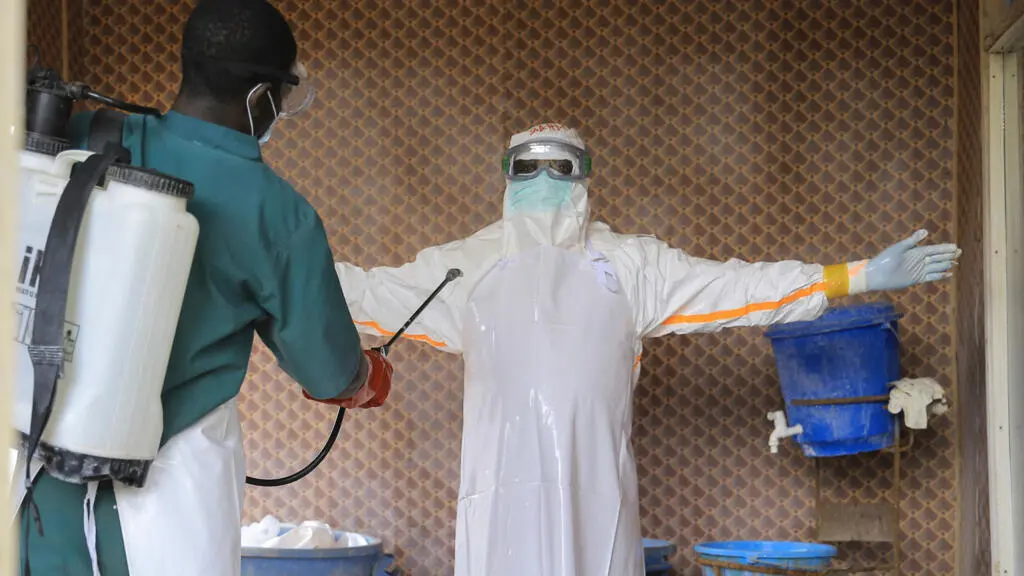
The absence of an approved vaccine for the Bundibugyo species creates a significant challenge for public health teams. Without a targeted immunization tool, officials must rely on isolation, contact tracing, and supportive care. This reliance on non-pharmaceutical interventions increases the burden on local hospitals and community health workers. The lack of a vaccine also means that previously unvaccinated populations remain fully exposed.
The 10,000-case milestone signals sustained pressure on healthcare infrastructure in the DRC and neighboring countries. Hospitals in affected regions report stretched capacity and resource shortages. The prolonged nature of the outbreak requires continuous funding and international coordination. Without a vaccine, the region faces a longer battle to suppress transmission.
How many cases are in the DRC specifically? The source states the vast majority of the 10,000 cases are located in the Democratic Republic of Congo. Exact per-country breakdowns were not provided in the announcement.
Frequently Asked Questions
Is there a vaccine for the current strain? No approved vaccine exists for the Bundibugyo species driving this outbreak. Health authorities are managing the epidemic using isolation and contact tracing instead.
When was this milestone announced? Health authorities announced the 10,000-case threshold on Tuesday. The update reflects the cumulative total across the African outbreak.