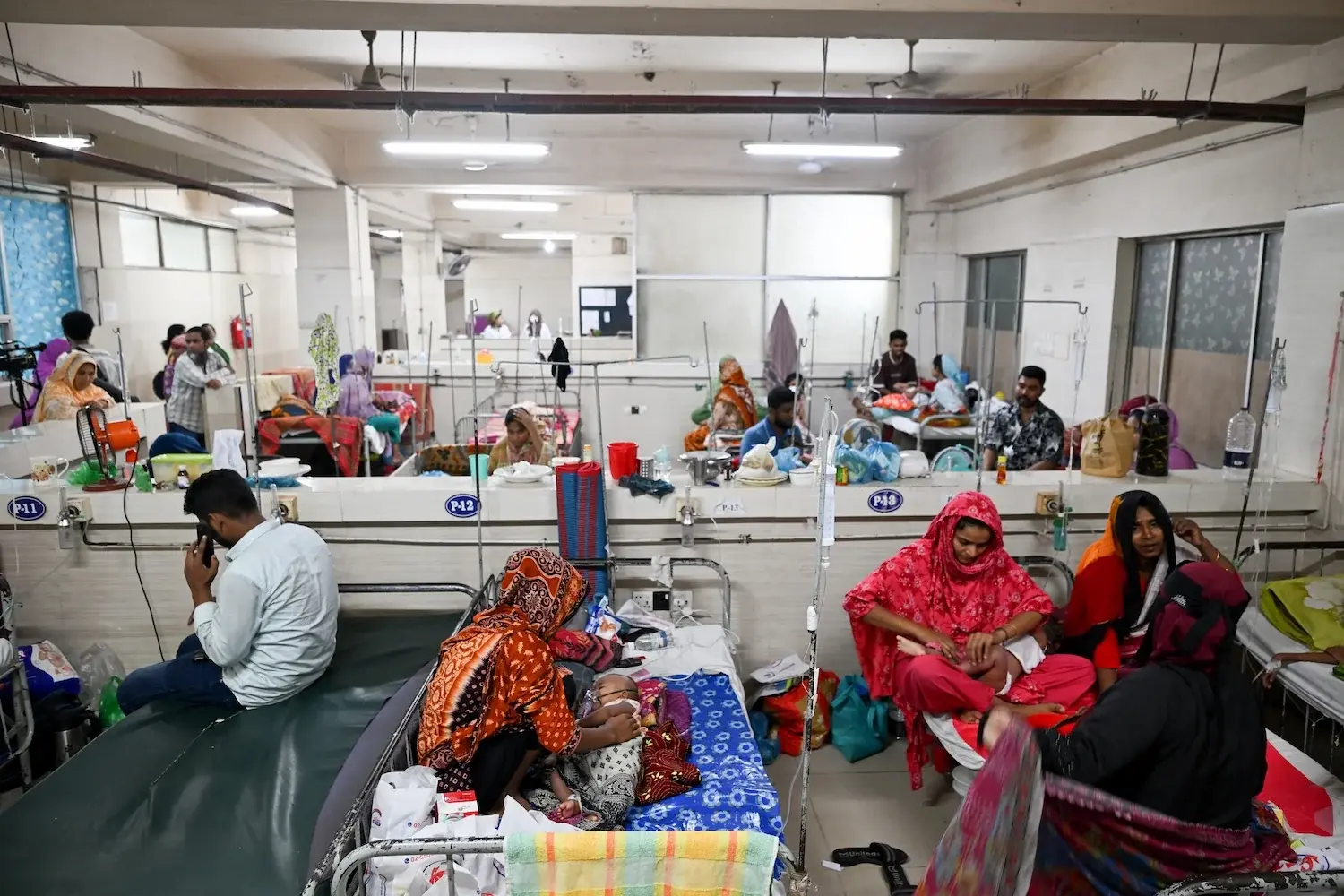
Strained Supply Chains Undermine Immunisation Efforts
Bangladesh is grappling with a sharp rise in measles cases, prompting health officials to label the outbreak a „warning sign.” The surge, reported in early October 2026, has already affected over 12,000 children across Dhaka, Chittagong, and rural districts. Experts say the pattern reflects systemic gaps in the nation’s immunisation programme, raising fears of broader disease outbreaks.
The Ministry of Health confirmed that routine vaccination coverage has slipped below the World Health Organization’s target of 95% for the measles‑containing vaccine. Supply chain disruptions, funding shortfalls, and misinformation campaigns have combined to leave many children unprotected. A panel of epidemiologists from the South Asian Health Alliance warned that the current trajectory could pave the way for resurgences of diphtheria, polio and other preventable illnesses. „When a single disease breaks through, it exposes the fragility of the whole system,” said Dr. Ayesha Rahman, a senior researcher with the panel.
Bangladesh’s vaccine procurement relies heavily on imports from India and the United Nations’ UNICEF programme. Recent delays at the Port of Chittagong, attributed to labor disputes and heightened security checks, have slowed deliveries of measles‑containing vials by up to 40 percent. Health workers in remote clinics report receiving incomplete batches, forcing them to postpone scheduled campaigns.
Why Are Parents Reluctant to Vaccinate Their Children?
Compounding the logistical nightmare, a shortage of cold‑storage units has led to spoilage of up to 15 percent of received doses, according to a Ministry audit released last week. „We cannot guarantee potency if the cold chain breaks,” explained senior logistics officer Karim Hossain. The audit also highlighted uneven distribution, with urban centres receiving a larger share of vaccines while rural districts—where most of the recent cases have emerged—remain undersupplied.
Misinformation has surged alongside the outbreak, with social media platforms circulating false claims that the measles vaccine causes infertility. A recent poll by the Bangladesh Institute of Public Opinion found that 28 percent of parents in the Sylhet region hesitate to vaccinate due to safety concerns.
Community leaders and religious figures have begun to intervene, organising town‑hall meetings to dispel myths. „When trusted voices speak, families listen,” noted NGO coordinator Laila Begum, who has overseen door‑to‑door outreach in three districts. Early results show a modest uptick in clinic visits, but the overall vaccination rate remains well below the critical threshold needed for herd immunity.
If the trend continues, health authorities warn of a cascade of preventable diseases that could overwhelm an already strained health system. The government has pledged an emergency budget of $45 million to boost vaccine imports, expand cold‑chain infrastructure, and launch a nationwide awareness campaign. International partners, including the WHO and Gavi, are monitoring the situation closely, ready to provide technical assistance.
Frequently Asked Questions
What age group is most affected by the measles outbreak? Children under five, especially those between 12 and 36 months, account for roughly 70 % of reported cases, reflecting gaps in early childhood immunisation.
How can families verify the safety of vaccines? Official information is available through the Ministry of Health’s helpline and accredited health centres; vaccines are rigorously tested and monitored before distribution.
What steps is the government taking to prevent future outbreaks? Bangladesh plans to secure additional vaccine shipments, upgrade refrigeration facilities, and intensify public education to counter misinformation and improve coverage rates.