A Village Shattered: Personal Stories from Kfar Reman
On September 7, a team of rescue workers arrived at Kfar Reman, a small Lebanese village near the Israeli border, to search the wreckage of a house destroyed by an overnight air strike. Bulldozers cleared debris while volunteers hoped to locate the bodies of two children who vanished in the blast. The home belonged to a single family that spanned three generations, ten members in total, all now facing loss and trauma.
The strike was part of Israel’s broader campaign against Hezbollah positions in southern Lebanon, a conflict that has intensified since October 2023. Israeli forces have repeatedly targeted villages they claim house militant infrastructure, but civilians often bear the brunt. In Kfar Reman, the house was reportedly a civilian dwelling with no known military use. Residents say the attack came without warning, leaving families with no time to evacuate. International observers have condemned the growing civilian toll, noting that each new casualty fuels resentment and hampers any diplomatic resolution.
Neighbors described the night before the strike as unusually quiet. „We heard a low hum, then a flash,” said Amal, a cousin of the victims. „The house collapsed in seconds, and the dust covered everything.” The family’s patriarch, 68‑year‑old Hassan, now walks among the ruins, clutching a broken photograph of his grandchildren. „They were playing in the yard,” he whispered, eyes fixed on the smoldering walls. Local doctors report that among the ten family members, two children aged six and nine were confirmed dead, while several others suffered severe injuries requiring transport to hospitals in Tyre.
Will International Pressure Halt the Violence in Southern Lebanon?
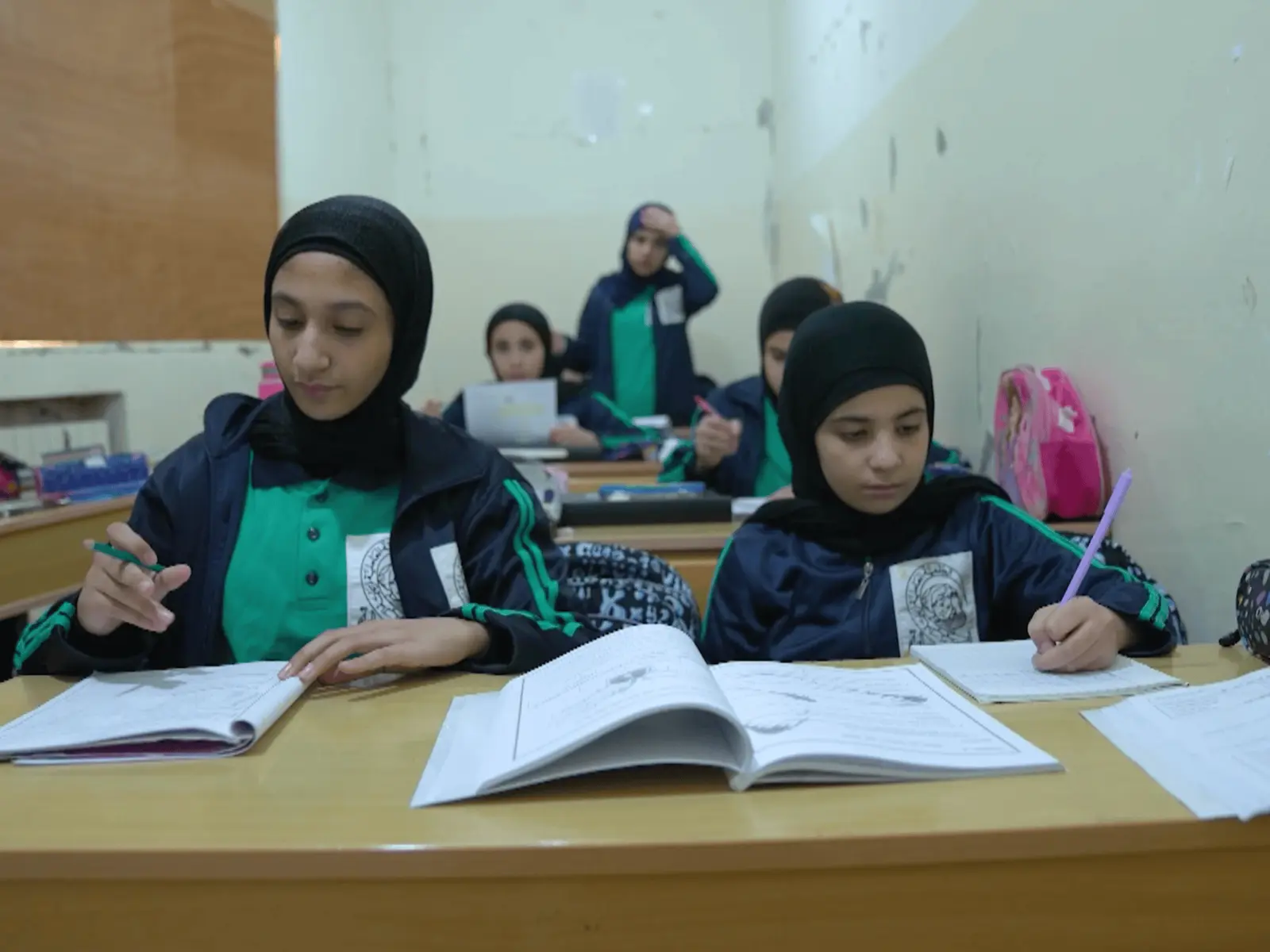
Humanitarian groups have set up temporary shelters nearby, providing food and medical kits. Yet supplies are dwindling as the conflict drags on. „We are overwhelmed,” admitted a Red Cross volunteer, noting that the influx of displaced families exceeds the capacity of existing camps. The psychological impact is equally stark; teachers in the region report a surge in anxiety among children who now hear the distant roar of jets daily.
Calls for an immediate cease‑fire have grown louder from the United Nations and several European capitals. Diplomats argue that civilian casualties, like those in Kfar Reman, could push Lebanon toward broader instability. However, Israeli officials maintain that their operations target only „terrorist infrastructure,” insisting that any civilian harm is unintended. Analysts warn that without a clear mechanism to protect non‑combatants, the cycle of retaliation may expand, drawing neighboring countries into the fray.
The future of Kfar Reman remains uncertain. Reconstruction will require years, and the emotional scars may linger longer. Aid agencies are urging the international community to fund rebuilding projects and mental‑health services for affected families. Meanwhile, the village’s surviving members cling to hope that their lost children will be remembered, and that peace might eventually replace the sound of bombs.
Frequently Asked Questions
What triggered the Israeli air strike on Kfar Reman? Israel says the attack targeted suspected Hezbollah positions near the village, though no military installations were confirmed on the destroyed property.
How many civilians were affected by the strike? Ten members of a single family lived in the house; two children died, several others were injured, and dozens of nearby residents were displaced.
What assistance is being provided to the survivors? Local NGOs and international agencies have set up emergency shelters, medical aid stations, and counseling services, but resources are strained as the conflict continues.