Revving Up the Problem: How Aftermarket Modifications Fuel Urban Noise
A wave of letters has arrived in response to a recent editorial that framed noise pollution as a public‑health crisis rather than a mere nuisance. The correspondence, collected by a major British newspaper, reflects concerns from commuters, parents, and health professionals across the United Kingdom. Writers cite traffic, mobile phones, and music as daily irritants, but focus sharply on the booming roar of modified cars and motorbikes whose exhausts exceed legal limits.
The letters echo the editorial’s call for stricter regulation and highlight how louder exhausts amplify stress, sleep disruption, and cardiovascular risk. Critics argue that current legislation targets only factory‑set noise levels, ignoring the aftermarket modifications that flood city centres with amplified sound. Researchers point to a 2018 World Health Organization report linking chronic exposure to high decibel levels with hypertension and reduced life expectancy. The public’s outcry suggests a growing appetite for policy change and community‑level enforcement.
Modified vehicles, especially those fitted with „screamers” or „loud pipes,” dominate many city streets after dark. Enthusiasts argue that louder exhausts enhance the riding experience, yet the amplified sound often exceeds 90 dB, comparable to a busy highway. A recent survey by the Transport Safety Board found that 27 % of respondents could identify a specific vehicle by its exhaust note alone, indicating the pervasive presence of these altered engines.
Should Cities Ban Loud Exhausts? Community Voices and Policy Options
Health experts warn that such noise spikes trigger the body’s stress response, releasing cortisol and raising heart rate. Dr. Elena Marquez, a cardiologist, noted, „Repeated exposure to sudden, high‑volume sounds can precipitate arrhythmias in vulnerable patients.” Residents in neighborhoods adjacent to popular cruising routes report insomnia and reduced concentration, especially among children studying at home. The letters also reveal a sense of powerlessness, as many feel local authorities lack the resources to enforce existing noise ordinances on modified vehicles.
Calls for a ban on aftermarket exhaust modifications are gaining momentum, but opponents contend that such measures could infringe on personal freedoms and target a niche hobbyist community. Some writers propose a compromise: mandatory sound‑level testing for all modified vehicles, paired with a tiered fine system. Others suggest designated „quiet zones” where any vehicle exceeding 70 dB must be rerouted.
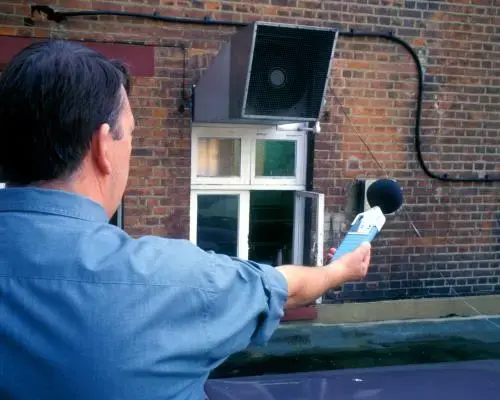
Local councils are experimenting with acoustic monitoring stations that automatically log decibel readings and issue citations. Early results from a pilot program in Manchester show a 15 % reduction in complaints after six months. Yet critics argue that technology alone cannot address the cultural allure of noisy rides, urging broader public‑education campaigns to shift attitudes toward quieter, healthier streets.
If unchecked, the relentless din could exacerbate public‑health burdens, inflating costs for healthcare systems already strained by chronic diseases. Policymakers face a choice: enforce stricter noise standards or risk a silent epidemic of stress‑related illnesses. The growing chorus of citizen letters suggests that the public is ready for decisive action, and that quieter cities may soon become a legislative priority.
Frequently Asked Questions
What legal limits exist for vehicle exhaust noise in the UK? Current regulations cap exhaust noise at 78 dB for cars and 80 dB for motorcycles, measured at a specific distance from the source. Aftermarket modifications often push levels well beyond these thresholds.
How does noise pollution affect heart health? Continuous exposure to loud sounds raises blood pressure and can trigger irregular heartbeats. Over time, this stress contributes to a higher risk of heart disease and stroke.
Can technology help enforce noise regulations? Yes, acoustic sensors can automatically record decibel levels and generate fines for violations. Pilot projects demonstrate that such systems can reduce complaints and improve compliance when combined with public awareness efforts.