Why Oleshky Became a Humanitarian Crisis Zone
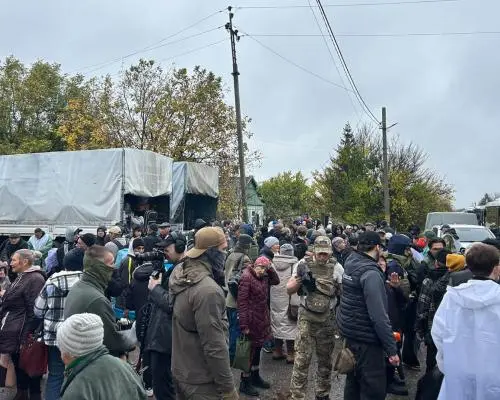
Residents of Oleshky, a Russian-held city south of Kherson, began leaving their homes on Friday. A humanitarian convoy delivered food and medicine to the besieged area. This marks the first joint relief operation in four years and eight months of conflict. The city sits on the occupied side of the Dnipro River, directly opposite Kherson.
The evacuation follows months of severe shortages of food and medical supplies. Local officials confirmed the operation involved both Ukrainian and Russian coordination. Civilians were transported to safer zones as shelling continued nearby. The convoy carried essential goods to sustain those remaining in the city.
What Happens Next for Evacuated Families
Oleshky has faced intense pressure from military activity and supply disruptions. The city's location on the riverbank made it a strategic target. Residents reported difficulty accessing basic necessities for weeks. The joint operation aimed to reduce the civilian burden before winter arrived.
Families who left Oleshky are being resettled in temporary shelters. Aid workers are assessing needs for the remaining population. Further convoys are planned for the coming weeks. The success of this first operation may set a precedent for future evacuations in occupied territories.
How many people were evacuated? The exact number was not disclosed in the initial reports. Officials described the operation as the first of its kind in nearly five years.
Frequently Asked Questions
What supplies did the convoy bring? The convoy carried food and medicine to address the city's critical shortages. These items were distributed to residents still in Oleshky.
Is the city fully evacuated? No, the evacuation is ongoing. Some residents chose to stay due to property or family reasons.