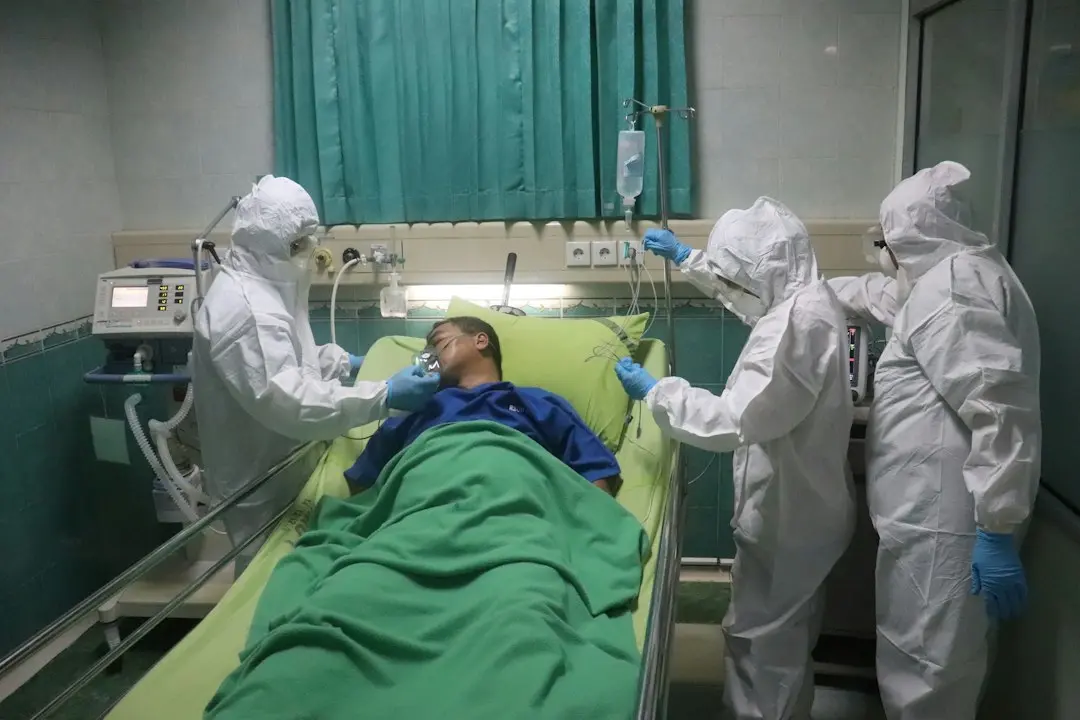
Rapid Response Measures Intensify in Nairobi
The Kenyan Ministry of Health confirmed on Friday that a 65‑year‑old woman has died from Ebola, marking the country’s second fatality in the current outbreak. She was a close relative of a man who succumbed to the disease earlier this month. The woman first displayed symptoms ten days ago while under quarantine and received supportive care at an infectious disease unit in the capital.
Health officials said the patient was admitted to a specialized facility after her condition worsened. She received intensive monitoring and treatment, but the virus progressed rapidly. The Ministry noted that the case is part of a broader effort to contain the outbreak, which began in early March. The government has intensified contact tracing, increased testing, and expanded isolation centers across the region.
Nairobi’s health authorities have bolstered their response by deploying additional medical teams to high‑risk zones. The Ministry’s latest statement highlighted the expansion of isolation wards and the provision of personal protective equipment to frontline workers. Officials emphasized that early detection remains critical, urging anyone with fever or hemorrhagic symptoms to seek immediate medical attention. The government is also coordinating with international partners to secure more antiviral supplies and vaccine doses.
How Will the Outbreak Shape Kenya’s Healthcare System?
The second death underscores the fragility of Kenya’s health infrastructure during a pandemic. Hospitals are grappling with limited resources, and staff shortages are a growing concern. The Ministry has called for increased funding and support from the international community to strengthen surveillance and treatment capacities. Public health experts warn that any delay in response could lead to further spread, especially in rural areas where access to care is limited.
The outbreak’s trajectory will depend on community cooperation and the speed of vaccine deployment. Authorities are conducting outreach programs to educate the public about symptoms and prevention. The Kenyan government has pledged to maintain transparency and keep the public informed as the situation evolves.
Frequently Asked Questions
What measures are in place to prevent further spread? Kenya has established isolation centers, increased testing, and intensified contact tracing. Health workers are equipped with protective gear, and public awareness campaigns are underway.
Will the vaccine be available to the general population soon? The Ministry is negotiating with international partners for vaccine supply. Distribution plans will prioritize high‑risk groups and healthcare workers first.
How can citizens protect themselves? Avoid close contact with sick individuals, practice good hygiene, and seek medical care immediately if symptoms such as fever, vomiting, or bleeding appear.