Legal Hurdles and Diplomatic Friction
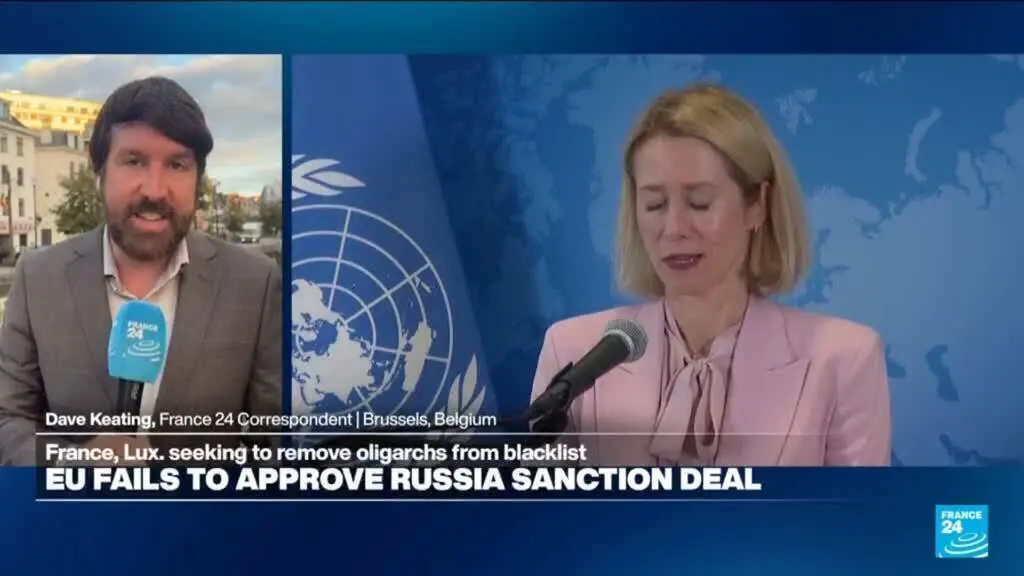
European Union member states failed to reach a consensus on Monday regarding the potential removal of sanctions against specific Russian oligarchs. Diplomatic discussions in Brussels concluded without a formal agreement, leaving the existing restrictive measures firmly in place for now. The stalemate highlights ongoing divisions among bloc members over economic punitive strategies.
The debate centers on whether to delist certain individuals who were previously targeted due to their alleged ties to the Kremlin. Some nations argue that legal challenges and administrative reviews necessitate a re-evaluation of these penalties. However, a significant coalition of member states remains committed to maintaining pressure on the Russian elite.
The process of removing individuals from the sanctions list is legally complex and politically sensitive. Each decision requires unanimous support from all EU member countries. Several governments are currently facing lawsuits from sanctioned figures who claim the restrictions are unjustified. These legal battles have forced officials to scrutinize the evidence supporting each designation.
Will Internal Disagreements Delay Future Policy Shifts?
Despite these challenges, many diplomats emphasize that any premature lifting of sanctions could undermine the union's unified stance against Moscow. The discussions are further complicated by the need to ensure that any changes comply with strict European judicial standards. Officials remain cautious about setting a precedent that might weaken future enforcement efforts.
The lack of progress on Monday suggests that a swift resolution remains unlikely in the coming weeks. Member states are expected to continue their internal consultations to bridge the gap between those seeking revisions and those advocating for strict continuity. The bloc must balance its commitment to the rule of law with its broader geopolitical objectives.
Frequently Asked Questions
As the situation evolves, the European Union will likely continue to face pressure from both legal challengers and international partners. Future meetings will determine whether the bloc can find a middle ground or if the current sanctions framework will remain unchanged for the foreseeable future. The outcome will serve as a key indicator of the EU’s long-term strategy regarding economic warfare.
Why is the European Union considering changes to its sanctions list? Some member states are reviewing the list to ensure that all designations meet rigorous legal standards and can withstand challenges in court. This process is part of a routine administrative evaluation of existing restrictive measures.
What happens if the EU cannot reach a unanimous agreement? If consensus is not achieved, the current sanctions remain in effect for all individuals currently listed. Unanimity is a mandatory requirement for both the imposition and the removal of these specific punitive measures.