The Rising Threat of Wildfire Smoke
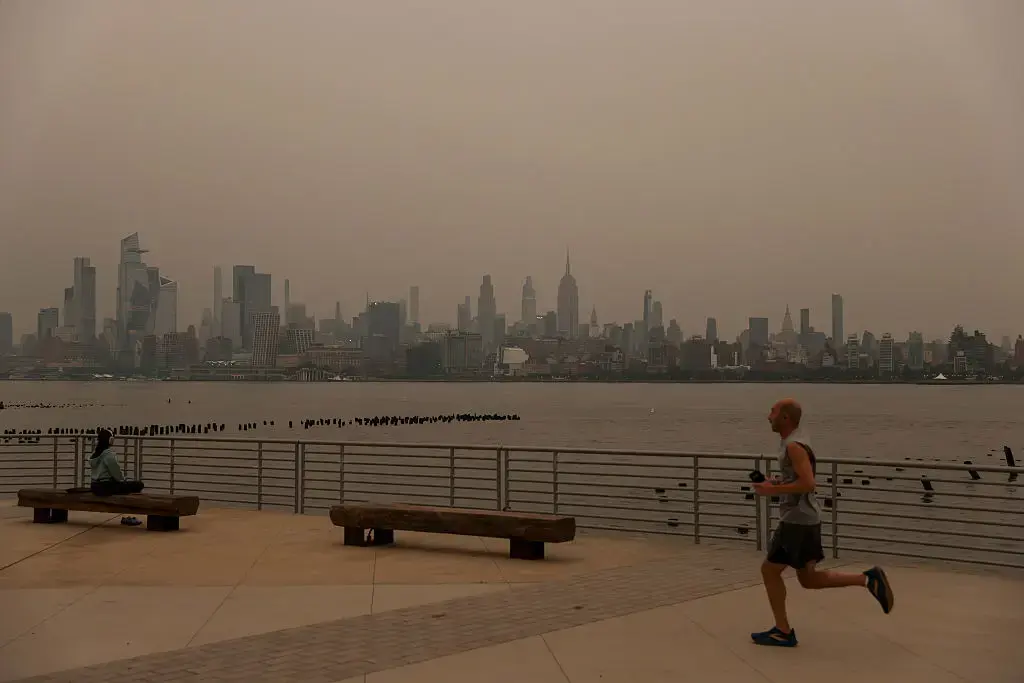
Millions across the United States are currently experiencing hazy skies and reduced air quality. This comes as heavy smoke from wildfires in Canada and Minnesota drifts south. Several states have issued air quality advisories. The dual threat of air pollution and extreme heat is a growing concern.
The combination of high temperatures and airborne pollutants poses significant health risks. Fine particulate matter from smoke can penetrate deep into the lungs. This can worsen respiratory conditions like asthma and bronchitis. Heat stress also places additional strain on the body.
Wildfires, fueled by climate change, are becoming more frequent and intense. The smoke they produce travels hundreds, even thousands, of miles. This spread impacts populations far from the actual fire zones. Cities like New York have seen their skies turn orange from distant blazes.
How Does This Double Threat Affect Our Health?
This year, Canada has experienced an unprecedented wildfire season. The smoke plumes have repeatedly blanketed large parts of the US. This creates a persistent public health challenge. Vulnerable groups, including children, the elderly, and those with pre-existing conditions, are most at risk.
The human body struggles to cool itself efficiently when both heat and air pollution are present. High temperatures increase heart rate and stress on the cardiovascular system. Simultaneously, pollutants can trigger inflammation and oxidative stress. This combined assault can lead to more severe health outcomes.
Studies show a rise in emergency room visits for respiratory and cardiac issues during these events. The long-term effects of repeated exposure are also a concern. This includes potential impacts on lung development in children and increased risk of chronic diseases. Public health officials are urging residents to take precautions.
The forecast indicates that these conditions will likely become more common. Climate change is intensifying both heatwaves and wildfire activity. Communities need to prepare for a future where poor air quality and extreme heat often coincide. Adapting public health strategies and infrastructure will be crucial.
Frequently Asked Questions
What are the main health risks of combined heat and poor air quality? The primary risks include worsened respiratory conditions, increased cardiovascular strain, and heat-related illnesses. Fine particulate matter from smoke can damage lungs, while heat stresses the heart and body's cooling systems.
Who is most vulnerable to these conditions? Children, the elderly, pregnant women, and individuals with pre-existing respiratory or cardiovascular diseases are most vulnerable. Their bodies are less able to cope with the combined stress of heat and pollution.
What precautions should people take during these events? People should stay indoors in air-conditioned environments, reduce strenuous outdoor activity, and keep windows closed. Wearing N95 masks outdoors can offer some protection against smoke particles.