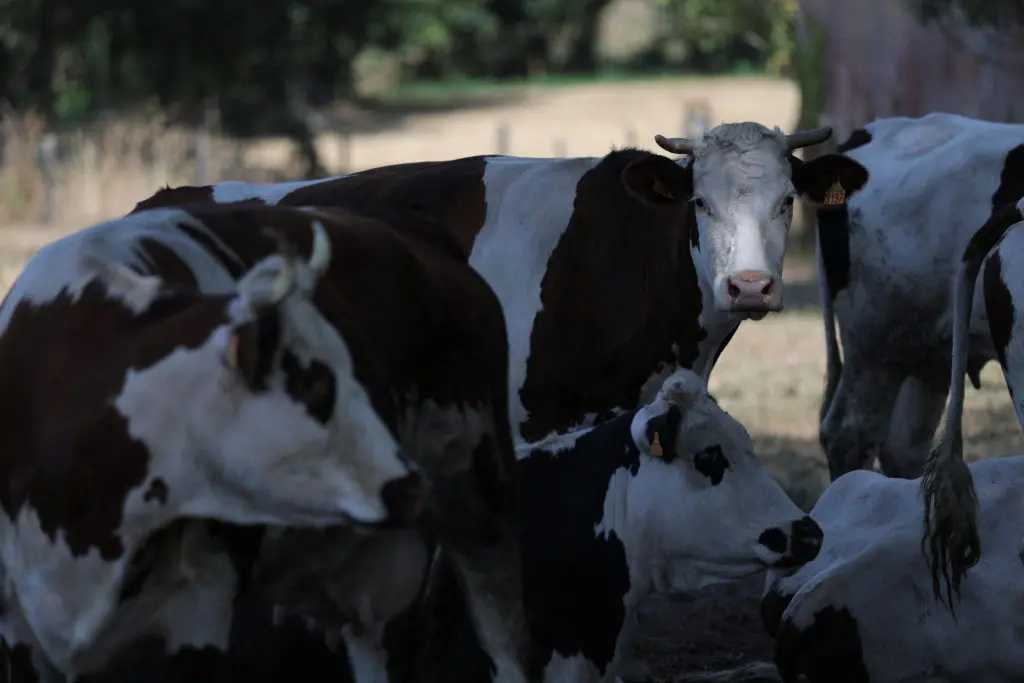
Tracing The Path From Farm
French health authorities confirmed the first known human case of Shamonda virus infection on Thursday. The patient, a resident of France, tested positive for the pathogen before passing away. This marks a significant milestone in tracking the spread of this livestock-associated virus. Officials announced the findings after extensive laboratory testing confirmed the diagnosis. The case highlights the growing concern over zoonotic diseases jumping species barriers.
The Shamonda virus primarily circulates among farm animals, making human transmission rare. Health experts noted that the infected individual had likely been exposed to livestock prior to falling ill. The timing of the diagnosis coincided with the patient’s final days, complicating the clinical picture. Authorities emphasized that the virus remains stable in animal populations. They are now investigating how the pathogen crossed into the human host.
Investigative teams are working to map the contact history of the deceased patient. Initial reports suggest close proximity to cattle or sheep during the incubation period. Scientists are analyzing viral samples to determine if mutation occurred during transmission. This step is crucial for understanding the virus's potential to infect humans more easily. Public health officials stated that no other family members showed symptoms. This suggests the transmission chain may have been limited to a single event.
Why Does This Outbreak Matter Now?
The detection process involved rapid sequencing techniques used in modern epidemiology. These tools allowed researchers to identify the specific strain responsible for the illness. Comparisons with previous animal outbreaks revealed minor genetic differences. Such variations could indicate evolutionary pressure within the host. Experts warn that ongoing surveillance in both animal and human sectors is vital. Early detection remains the best defense against larger outbreaks.
The death of the first confirmed human case has raised alarms among global health agencies. While the virus has existed in animals for years, human impact was previously theoretical. This new data point changes risk assessments for farmers and veterinarians. It underscores the need for protective gear when handling sick livestock. The incident serves as a warning for other regions with similar animal populations.
Health ministries are reviewing their protocols for reporting unusual respiratory cases. They aim to catch potential infections before they become severe. Collaboration between veterinary and medical departments is being strengthened. Funding for research into antiviral treatments is expected to increase. The scientific community is monitoring the situation closely for any secondary cases.
Frequently Asked Questions
The immediate consequence is heightened vigilance across European livestock markets. Traders and farmers must adhere to stricter hygiene standards. Future outlooks depend on whether the virus mutates further in human hosts. If transmission between people becomes possible, the threat level will rise significantly. For now, the focus remains on preventing animal-to-human jumps. Continuous monitoring will guide policy decisions in the coming months.
Is the Shamonda virus dangerous to the general public? Currently, the risk is low for those without animal contact. The virus primarily spreads through direct exposure to infected livestock. People working in farming or slaughterhouses face higher exposure levels.
How many people have been infected so far? Only one human case has been officially confirmed in France. No other individuals have tested positive in the initial screening rounds. Health officials continue to monitor close contacts for signs of infection.