Operating Amidst Ruin and Scarcity
Volunteer doctors working in Gaza have provided harrowing accounts of the severe damage inflicted on the territory’s healthcare infrastructure. These medical professionals describe operating in facilities that have been largely destroyed or rendered non-functional by ongoing military operations. The reports highlight a crisis where basic medical care is nearly impossible to deliver.
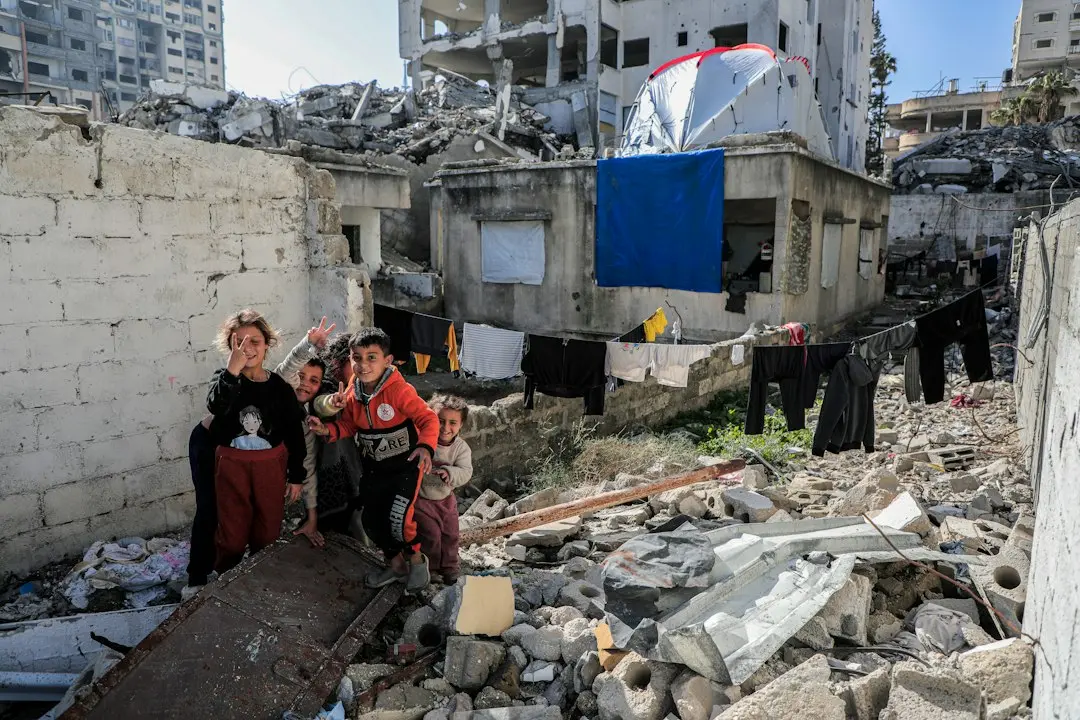
The physicians explain that the physical structures of major hospitals have sustained catastrophic damage. Walls have collapsed, and essential equipment has been destroyed or looted. This destruction has forced medical staff to move operations to makeshift shelters or open-air tents. The lack of power and clean water compounds the difficulties faced by both patients and staff.
The volunteer doctors describe a daily reality defined by extreme scarcity and constant danger. They report treating patients with severe trauma, including amputations and internal injuries, using limited supplies. Sterilization protocols are often compromised due to the lack of running water and electricity. Medications are in critically short supply, forcing clinicians to prioritize the most severe cases.
Can Healthcare Survive Total Collapse?
One volunteer noted that the psychological toll on the staff is immense. Doctors are working long hours without adequate rest or proper food. The environment is not conducive to healing, as sirens and explosions are frequent background noises. Patients arrive in ambulances or on stretchers, often with multiple life-threatening injuries. The medical teams must make rapid decisions about who can be saved with the available resources.
The infrastructure damage extends beyond the main hospital buildings. Clinics in surrounding areas have also been targeted or damaged by stray shelling. This has fragmented the healthcare system, making it difficult to transfer patients to specialized care. Many specialists have fled or are trapped in unsafe zones, leaving general practitioners to handle complex surgical cases.
The situation raises urgent questions about the sustainability of medical care in Gaza. International aid organizations report that the destruction is deliberate and systematic. This approach effectively dismantles the ability of the population to receive treatment for chronic conditions. Diabetes, kidney failure, and heart disease patients are particularly vulnerable. Without regular medication and monitoring, their conditions deteriorate rapidly.
The volunteers emphasize that the destruction is not an accidental byproduct of war. It represents a strategic effort to weaken the civilian population’s resilience. Medical ethics are strained as doctors are forced to choose between treating the wounded and maintaining their own safety. The international community has called for immediate cessation of attacks on medical facilities. However, the volunteers on the ground report little change in the intensity of the bombardment.
Frequently Asked Questions
The long-term consequences of this destruction are profound. Rebuilding the healthcare system will take years and billions of dollars. Even after the conflict ends, the trauma experienced by patients and staff will persist. The loss of medical records and specialized equipment sets back healthcare development significantly. The volunteer doctors urge the world to recognize the severity of the humanitarian crisis. They stress that medical neutrality must be respected to save lives.
How have hospitals in Gaza been damaged? Hospitals have suffered structural collapse, loss of power, and destruction of medical equipment. This has forced medical staff to operate in makeshift conditions with minimal resources.
What challenges do volunteer doctors face? They face extreme scarcity of medicine, lack of sterilization capabilities, and constant threat from explosions. Psychological stress is also a major factor affecting their ability to work.