Education Funding and Reform
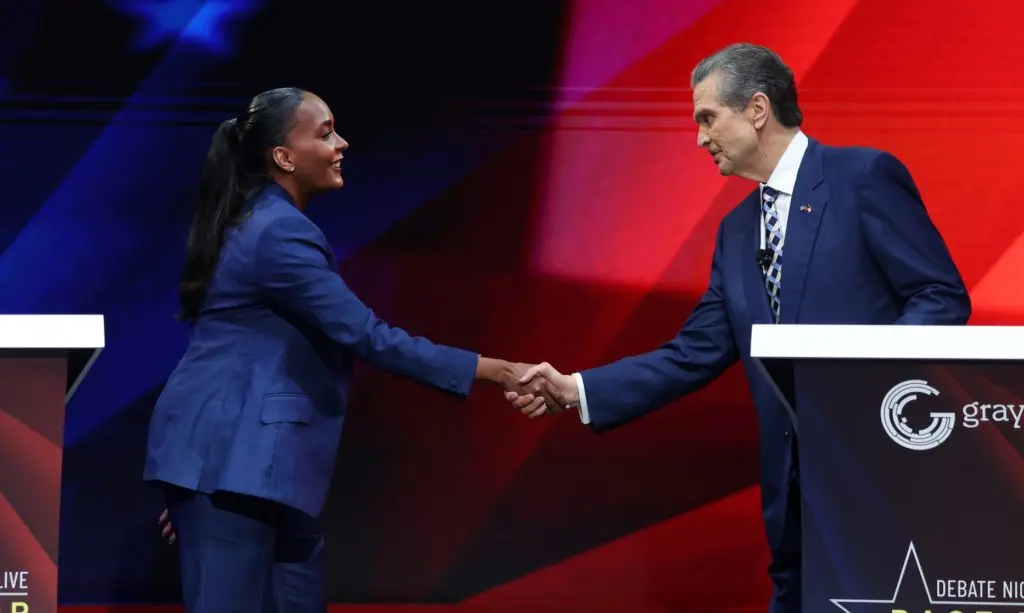
In a televised debate held on Tuesday night, Georgia’s two leading gubernatorial candidates faced questions on the state’s most pressing issues. The event, broadcast across the state, drew a large audience and offered a platform for the candidates to outline their plans for education, healthcare, and economic growth.
Healthcare Expansion and Rural Access
The debate focused on how each candidate plans to address rising tuition costs, expand Medicaid coverage, and create jobs in the manufacturing sector. Voters expressed frustration over stagnant wages and a lack of affordable housing, prompting the candidates to propose tax incentives for small businesses and increased funding for public schools.
Both candidates agreed that the state’s education system needs more resources. One candidate pledged to raise the per‑student budget by 15% over the next four years, citing data that shows a correlation between funding and graduation rates. The other candidate emphasized teacher retention, promising a 10% salary increase and additional professional development programs. Voters reacted positively to concrete numbers, noting that previous promises had been vague.
Economic Growth and Job Creation
Healthcare emerged as a key concern, especially for rural communities. One candidate proposed expanding Medicaid eligibility to cover more low‑income families, while the other suggested a state‑run telemedicine program to connect patients with specialists in urban centers. Both candidates acknowledged that the current system leaves many residents without adequate insurance, a fact highlighted by a local advocacy group that presented statistics on uninsured rates.
What Happens Next?
The debate also tackled the state’s economic future. One candidate outlined a plan to offer tax breaks to manufacturers relocating to Georgia, aiming to create 5,000 new jobs. The other candidate focused on workforce training, proposing a partnership with community colleges to provide apprenticeships in tech and green energy. Voters expressed skepticism about the feasibility of large tax cuts, demanding evidence of job creation before committing.
The debate’s outcomes will shape the campaign’s messaging as the primary approaches. Voters who prioritized education and healthcare are likely to weigh the candidates’ specific proposals more heavily. Polls indicate a tight race, with a small margin between the two frontrunners. The next debate is scheduled for next month, giving candidates time to refine their policies and address any remaining voter concerns.
Frequently Asked Questions
Q: Which candidate offered a higher increase in education funding? A: The candidate who pledged a 15% rise in per‑student spending offered a higher increase than the other, who focused on teacher salaries.