The Hidden Burden of Unpaid Care
A coalition of obstetricians, gynecologists, and human rights advocates has issued a formal plea to world leaders at the UN Water Conference. They demand urgent action to ensure clean water access in maternity wards worldwide. The group highlights that basic sanitation remains a luxury for many women during childbirth.
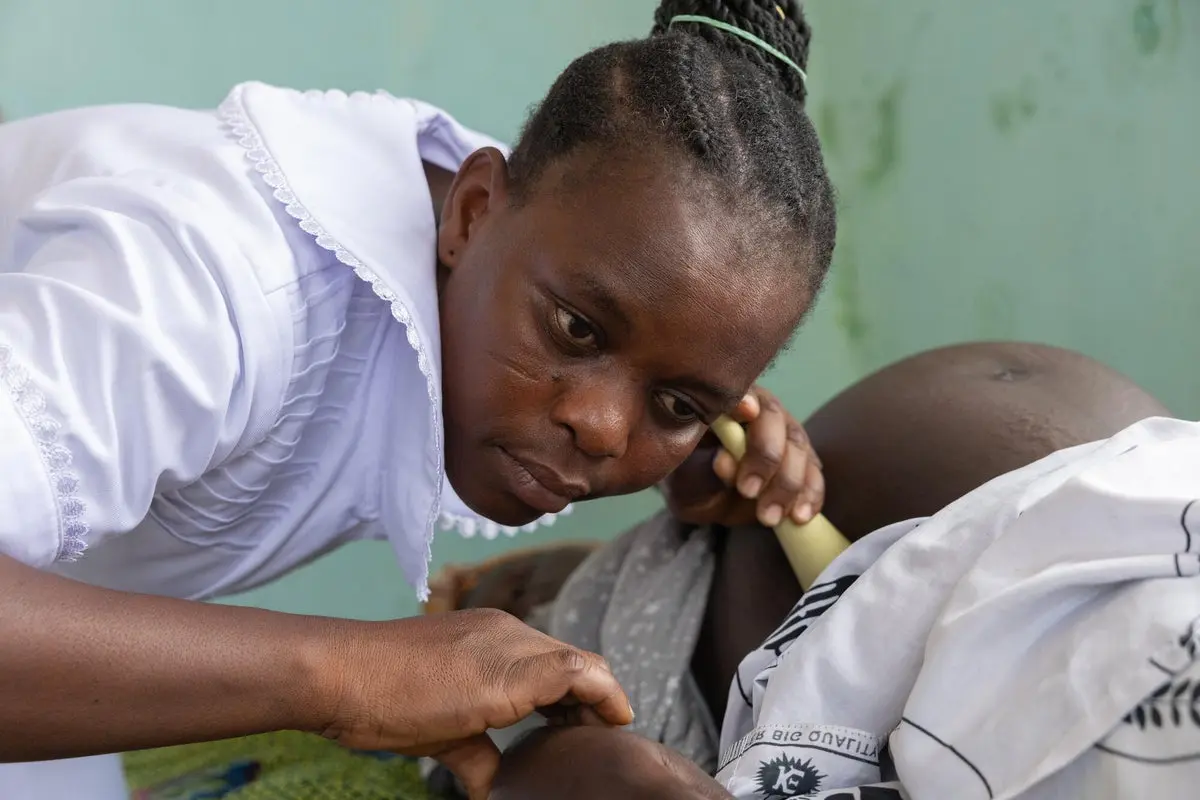
The letter emphasizes that women form the backbone of global healthcare, making up over 90 percent of frontline workers. Despite this, millions of mothers are forced to provide their own water supplies just to ensure a sanitary environment for delivery. This systemic failure threatens the lives of both mothers and newborns.
Beyond the clinical setting, the crisis extends into the daily lives of women across the globe. They disproportionately shoulder the burden of unpaid labor that sustains communities and economies. Without reliable access to clean water, these essential caregivers face increased physical strain and health risks.
Why Is Maternal Dignity Being Ignored?
The advocates argue that water scarcity is fundamentally a gendered issue. When infrastructure fails, women pay the highest price in their roles as mothers, nurses, and community pillars. The letter serves as a stark reminder that the global economy relies on the labor of women who are currently being denied basic human rights.
The signatories contend that the lack of water in hospitals is a violation of fundamental human rights. They urge international delegates to prioritize infrastructure investments that protect maternal health. Without immediate intervention, the cycle of preventable complications during labor will continue to endanger future generations.
The coalition warns that ignoring this issue undermines the foundation of global health systems. They are calling for binding commitments to ensure that no woman is left to manage her own sanitation needs while giving birth. Achieving this goal is essential for true gender equality and improved public health outcomes.
Frequently Asked Questions
What is the main demand of the coalition? The group is demanding that world leaders prioritize clean water access in all maternity facilities to ensure safe and dignified childbirth.
Why are women specifically highlighted in this crisis? Women perform the majority of frontline healthcare work and unpaid domestic labor, meaning they suffer most when water infrastructure fails.
What are the potential consequences of inaction? Continued neglect of water infrastructure leads to higher rates of infection, maternal complications, and the erosion of basic human rights for women globally.