Investigation Traces Parasite to Fresh Produce
Nearly 7,000 cases of cyclosporiasis have been reported across the United States, health officials said on Friday. The outbreak appears to be tied to a single lettuce supplier, according to a new investigative report. The parasite, Cyclospora, causes severe diarrhea and has affected dozens of states since early spring. The Centers for Disease Control and Prevention (CDC) began tracking the surge in March, and the latest findings were released on July 17, 2026.
The CDC’s investigation focused on fresh produce that entered the market through a major wholesale distributor. Laboratory testing confirmed the presence of Cyclospora in lettuce samples from the supplier’s facilities. Epidemiologists noted that many patients reported consuming salads or sandwich toppings from the same brand. The report suggests that inadequate washing and temperature control may have allowed the parasite to survive through processing and distribution. Officials warned that the parasite’s resilience makes it difficult to eradicate once it contaminates large batches of leafy greens.
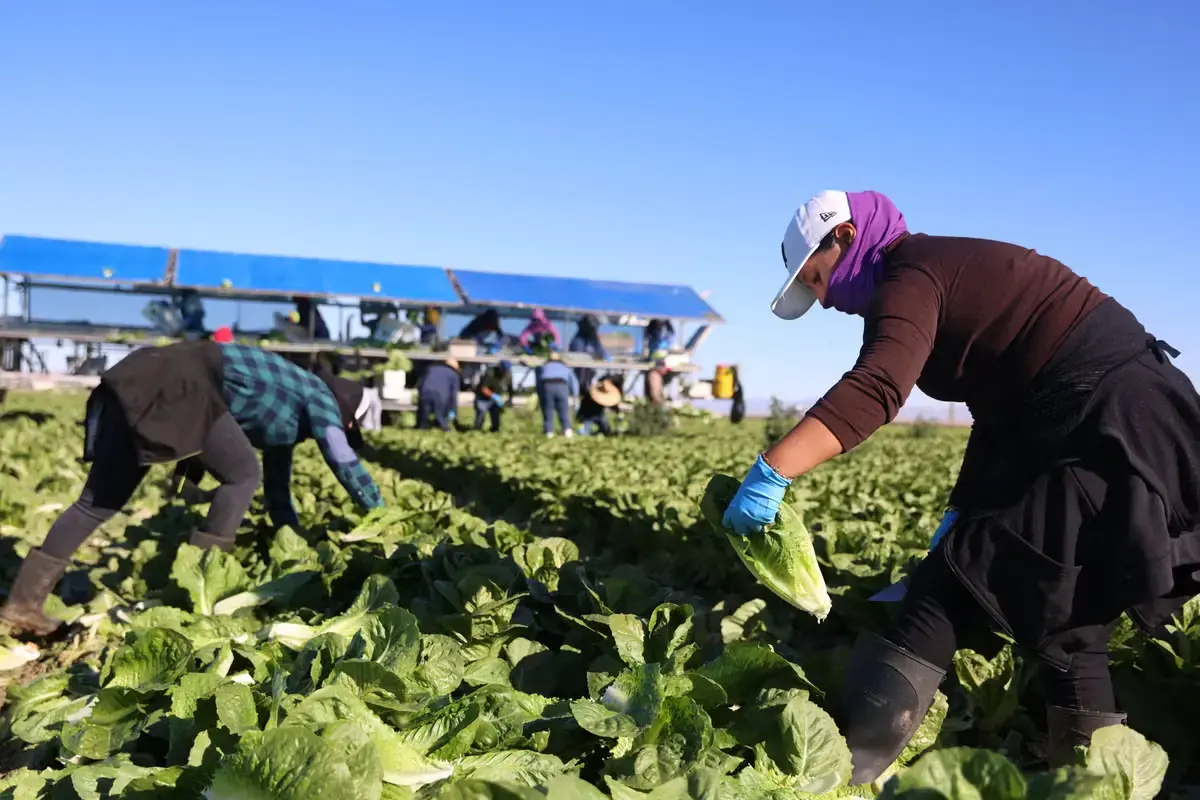
The probe revealed that the lettuce in question was harvested in a region with known water quality concerns. Researchers suspect that contaminated irrigation water introduced the parasite to the crop. „We found a clear connection between the water source and the contaminated lettuce,” said a CDC spokesperson. The supplier has halted shipments of the implicated lettuce variety while a comprehensive sanitation review is underway. Meanwhile, state health departments have issued alerts urging consumers to avoid raw lettuce from the affected batch until further notice.
Could This Outbreak Have Been Prevented?
Public health experts argue that stricter oversight of agricultural water standards could reduce future incidents. Enhanced testing protocols at processing plants might catch contamination earlier, limiting the spread of disease. Some advocates call for mandatory third‑party audits of produce handling practices. However, industry representatives point to the challenges of monitoring every step in a complex supply chain. The balance between food safety and operational feasibility remains a contentious issue as officials seek to protect consumers without imposing undue burdens on growers.
The outbreak has prompted renewed calls for better traceability in the food system. Consumers are advised to wash leafy greens thoroughly and consider cooking them when possible. The CDC continues to monitor the situation, expecting case numbers to decline as the contaminated product is withdrawn. Ongoing research aims to develop faster detection methods for Cyclospora, which could help mitigate future outbreaks. Authorities stress that vigilance and cooperation among growers, distributors, and regulators are essential to prevent similar events.
Frequently Asked Questions
What symptoms does cyclosporiasis cause? The infection typically leads to watery diarrhea, abdominal cramps, nausea, and fatigue. Symptoms can last for several weeks if untreated.
How is Cyclospora transmitted? The parasite spreads through ingestion of contaminated food or water, especially raw fruits and vegetables that have not been properly washed.
What steps can consumers take to reduce risk? Wash all produce under running water, consider peeling or cooking leafy greens, and stay informed about recalls issued by health agencies.